Pet health guilt is something many pet owners quietly experience, even if they rarely talk about it. You might notice small signs that something feels off, or you may look back and wish you had done things differently. While those feelings are natural, they can become overwhelming if left unchecked. The truth is, caring for a pet comes with constant learning, and mistakes or uncertainties do not mean you are failing. Instead, they often show how deeply you care.
At times, pet health guilt appears when a problem could have been prevented, such as weight gain or dental issues. However, it can also arise from things beyond your control, like genetic conditions or sudden illness. Understanding this difference is important because not every issue is caused by neglect. In fact, many responsible owners still face unexpected health challenges. Therefore, the goal is not perfection but consistent improvement.
Understanding Why Pet Owners Feel Guilty
Guilt often begins with comparison. You may see other pet owners sharing perfect routines or ideal diets online, which can create unrealistic expectations. As a result, it becomes easy to believe that you are not doing enough. However, every pet is different, and what works for one may not work for another. Recognizing this helps reduce unnecessary pressure.
Additionally, pet health guilt can come from busy schedules. Life responsibilities sometimes limit the time you can spend on grooming, exercise, or enrichment. Although this is common, it can still lead to worry. The important thing to remember is that consistent small actions matter more than occasional perfection. Even simple routines can support long-term health when done regularly.
Moreover, emotional attachment plays a role. Pets are part of the family, so their well-being feels personal. When something goes wrong, it is natural to reflect on what could have been done differently. Still, dwelling on past decisions rarely helps. Instead, focusing on what you can do today creates a more positive and productive mindset.
Shifting From Guilt To Action
Instead of letting pet health guilt take over, it is more helpful to turn that feeling into action. Guilt can actually serve as a signal that something needs attention. When used correctly, it becomes a motivator rather than a burden. For example, if you feel concerned about your pet’s weight, you can start with small adjustments to feeding and exercise.
One effective approach is building a realistic care routine. You do not need a perfect plan; you need one that you can maintain consistently. This might include regular feeding times, short daily walks, and quick grooming checks. Over time, these habits create noticeable improvements without overwhelming your schedule.
In addition, tracking your pet’s habits can help. Writing down feeding amounts, activity levels, and behavior changes gives you a clearer picture of their health. As a result, you feel more in control and less uncertain. This simple step can significantly reduce pet health guilt because it replaces guessing with awareness.
Daily Habits That Make A Big Difference
A few small habits can dramatically improve your pet’s health. First, consistent feeding with proper portions prevents weight-related issues. Measuring food rather than estimating helps maintain balance. Also, choosing quality nutrition supports overall well-being, including coat condition and energy levels.
Next, regular movement is essential. Even short play sessions or walks can improve physical and mental health. Exercise helps prevent obesity, reduces stress, and supports joint health. When pets stay active, they are less likely to develop chronic conditions that require expensive treatments.
Grooming is another key factor. Brushing your pet regularly not only keeps them clean but also allows you to check for skin issues or unusual lumps. Early detection often leads to simpler and more affordable solutions. In the same way, basic dental care helps prevent serious oral problems that can become costly over time.
Finally, observation plays a crucial role. Paying attention to changes in appetite, behavior, or energy levels helps you catch issues early. This habit takes only a few minutes each day, yet it can prevent major health concerns from developing.
Letting Go Of Perfection
One of the biggest challenges for pet owners is the desire to do everything perfectly. However, perfection is unrealistic and often unnecessary. Pets benefit more from consistent care than from occasional ideal conditions. Accepting this can ease the pressure that fuels pet health guilt.
For instance, missing a walk or feeding slightly later than usual does not harm your pet long-term. What matters is the overall pattern of care. When you focus on consistency instead of perfection, you create a more sustainable approach. This mindset also helps you stay motivated rather than discouraged.
Furthermore, learning from past experiences is more valuable than regretting them. If you notice something that could have been handled better, use that insight moving forward. Growth comes from adjustment, not from self-blame. By adopting this perspective, you transform pet health guilt into a tool for improvement.
Building Confidence In Your Care
Confidence grows with knowledge and routine. As you learn more about your pet’s needs, you become better equipped to make informed decisions. This reduces uncertainty and strengthens your ability to provide proper care. Over time, your daily habits become second nature, which makes the process feel easier.
It also helps to focus on what you are doing right. Many pet owners overlook the positive actions they take each day. Feeding your pet, spending time with them, and keeping their environment clean all contribute to their well-being. Recognizing these efforts can balance out feelings of pet health guilt.
Additionally, communication with professionals can provide reassurance. Regular check-ups and asking questions when unsure help you stay on the right track. Even small clarifications can make a big difference in how confident you feel about your decisions.
Creating A Balanced Routine That Works
A balanced routine does not need to be complicated. It should fit into your daily life while meeting your pet’s basic needs. Start with the essentials: feeding, exercise, grooming, and observation. Then, adjust based on your pet’s specific requirements.
For example, some pets need more activity, while others require extra grooming. Paying attention to these differences allows you to tailor your approach. When your routine matches your pet’s needs, it becomes more effective and easier to maintain.
Consistency is key here. A simple routine done every day is more beneficial than a complex one followed occasionally. This approach reduces stress for both you and your pet, which in turn supports overall health.
The Emotional Side Of Pet Care
Caring for a pet involves more than physical needs. Emotional connection and companionship are equally important. Spending quality time with your pet strengthens your bond and improves their mental well-being. This also helps reduce stress-related behaviors that can lead to health issues.
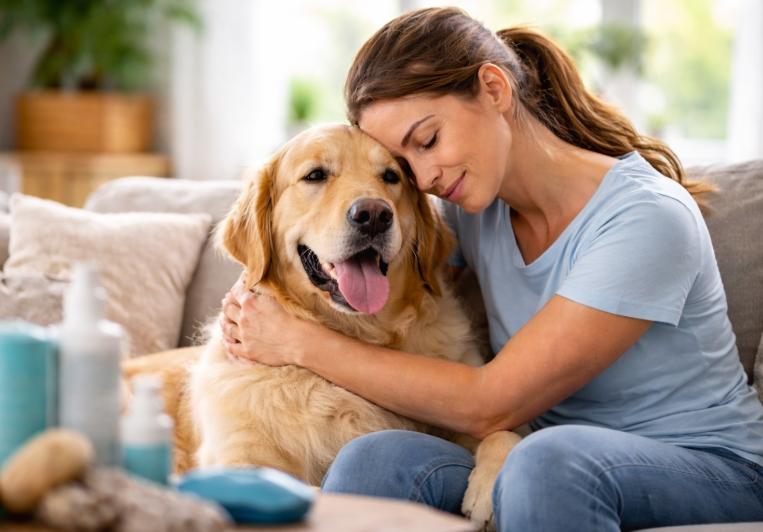
Pet health guilt often fades when you focus on this connection. When you see your pet happy, engaged, and comfortable, it becomes clear that your efforts are making a difference. These moments remind you that care is about presence as much as it is about routine.
Moreover, emotional balance is important for you as well. Constant worry can take away from the joy of pet ownership. By shifting your focus toward positive actions and improvements, you create a healthier mindset. This benefits both you and your pet in the long run.
Conclusion
Pet health guilt is a common experience, but it does not have to define your relationship with your pet. By understanding where these feelings come from and turning them into action, you can create a more balanced and confident approach to care. Small daily habits, consistent routines, and a focus on improvement rather than perfection make a significant difference over time. Ultimately, caring for your pet is a journey, and every step you take contributes to their health and happiness.
FAQ
- Why do I feel bad about my pet’s care?
These feelings often come from high expectations and emotional attachment, especially when comparing yourself to others. - How can I improve my pet’s well-being daily?
Focus on consistent feeding, exercise, grooming, and observation to support long-term health. - Is it normal to worry about my pet’s health?
Yes, concern is natural and shows you care, but it should lead to action rather than stress. - What simple changes can make a big impact?
Adjusting diet, increasing activity, and monitoring behavior regularly can improve overall health. - How do I stop overthinking pet care decisions?
Stick to a routine, learn from experience, and focus on consistent habits instead of perfection.