As a health-conscious pet parent, you know your cat’s well-being is a top priority. While their sleek fur and playful antics often steal the show, what’s happening inside – specifically their digestive system – is profoundly important. Optimal digestive health for cats is the cornerstone of their overall vitality, influencing everything from nutrient absorption and immune function to their mood and energy levels. Let’s explore how you can support your feline friend’s gut wellness and ensure they thrive.
The Silent Signs of Digestive Discomfort in Cats
Cats are masters at hiding discomfort, making it essential for us to be observant. While occasional hairballs are normal, persistent digestive issues can be more serious. Watch for these signs that might indicate your cat’s gut needs some extra attention:
- Changes in Stool: Diarrhea, constipation, or stools that are unusually hard, soft, or contain blood or mucus can be concerning.
- Vomiting: Frequent or persistent vomiting, especially unrelated to hairballs, warrants investigation.
- Changes in Appetite: A sudden increase or decrease in food intake, or unusual pickiness, often signals an issue.
- Weight Loss: Unexplained loss of weight despite normal eating habits can be a red flag.
- Poor Coat Quality: A dull, greasy, or flaky coat can sometimes signal internal issues.
- Lethargy or Behavioral Changes: Reduced energy, hiding, or increased irritability can be linked to discomfort.
Why Your Cat’s Gut is So Important
Your cat’s gut is more than just a tube for processing food; it’s a complex ecosystem. The beneficial bacteria residing there, known as the microbiome, play vital roles. In fact, a balanced feline gut is crucial for overall well-being.
- Nutrient Absorption: A healthy gut efficiently breaks down food and absorbs essential vitamins, minerals, and proteins. Consequently, your cat gets the most out of every meal.
- Immune System Hub: A staggering 70-80% of the immune system resides in the gut. A balanced microbiome helps fend off pathogens and regulate immune responses, keeping your cat robust.
- Mood & Behavior: Emerging research suggests a strong gut-brain axis, meaning gut health can influence a cat’s mood, stress levels, and even behavior. Therefore, a happy gut often means a happy cat.
Key Supplements for Supporting Digestive Health for Cats
To proactively support feline gut health, targeted supplements can be incredibly beneficial. These options provide practical, reliable solutions for everyday wellness.
- Probiotics: These are beneficial live bacteria that help balance the gut flora, displace harmful bacteria, and improve digestive function. They are crucial for maintaining a healthy cat gut, especially after antibiotic use or stress.
- Prebiotics: These are non-digestible fibers that act as food for the beneficial probiotic bacteria, helping them to flourish and thrive in the gut. Think of them as the fertilizer for good gut bacteria.
- Digestive Enzymes: For cats with difficulty breaking down food, enzyme supplements can aid in the digestion of fats, proteins, and carbohydrates, ensuring better nutrient absorption. This is particularly helpful for older cats or those with sensitive stomachs.
- Fiber: Certain types of fiber can help regulate bowel movements, preventing both constipation and diarrhea. Psyllium husk or pumpkin are common sources, offering gentle support.
When choosing supplements for cat digestion support, always opt for veterinary-approved brands. Furthermore, discuss any new supplements with your veterinarian to ensure they are appropriate for your cat’s specific needs. For more information on pet health, consider resources like the American Veterinary Medical Association.
Understanding Your Cat’s Diet: The Foundation of Gut Wellness
The food your cat eats forms the absolute bedrock of their digestive well-being. A high-quality, species-appropriate diet is paramount for fostering optimal digestive health for cats. Many commercial cat foods contain fillers, artificial ingredients, and by-products that can be difficult for a cat’s system to process. Consequently, this can lead to inflammation and imbalance in the gut microbiome.
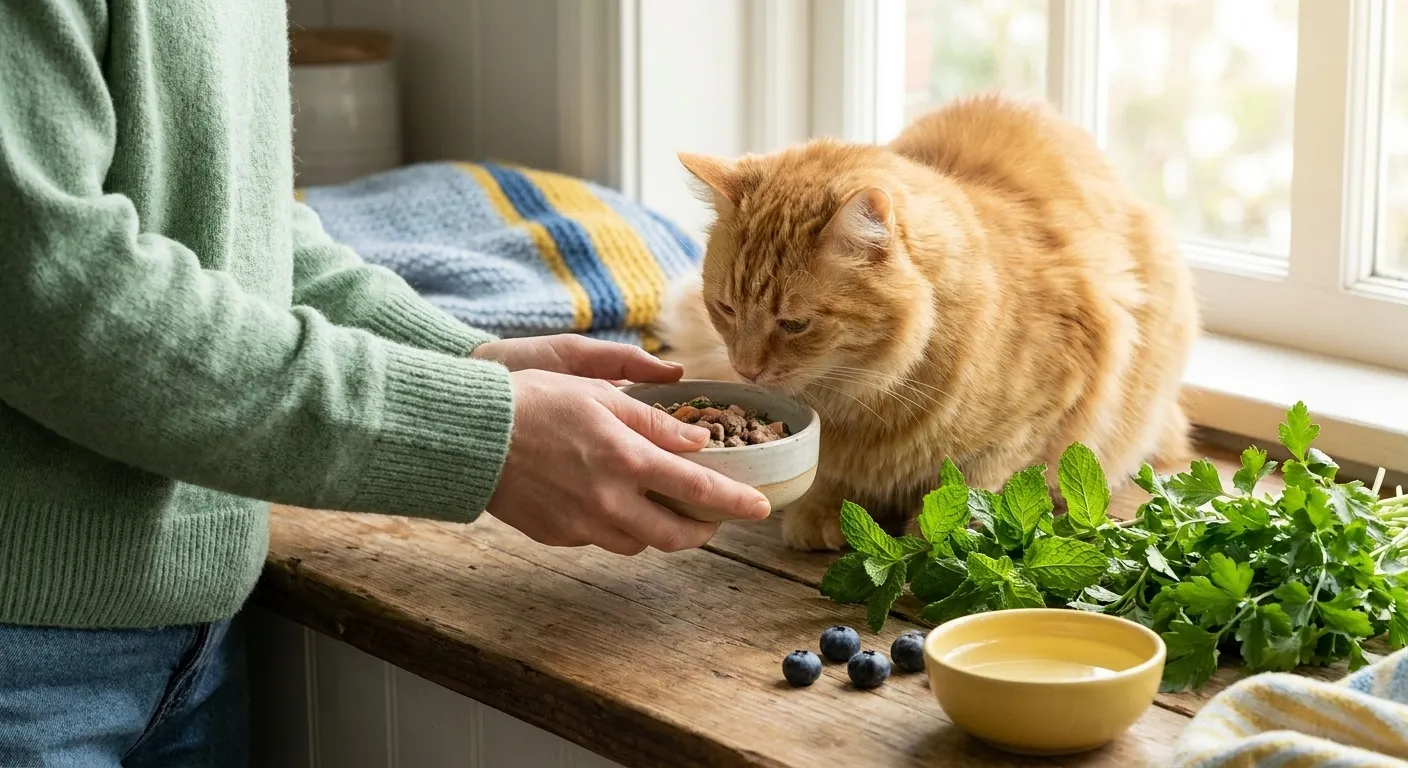
Look for cat foods that list real meat as the first ingredient. Moreover, ensure they are free from corn, wheat, soy, and excessive carbohydrates. Wet food often provides superior hydration, which is vital for healthy digestion and preventing issues like constipation. If you’re considering a diet change, introduce new foods gradually over several days to avoid upsetting your cat’s stomach. Your veterinarian can offer personalized dietary recommendations tailored to your cat’s age, activity level, and any existing health conditions.
Environmental Factors and Stress: Impact on Feline Gut Health
Did you know that your cat’s environment and stress levels can significantly impact their digestive system? Cats are creatures of habit and can be easily stressed by changes. Moving to a new home, introducing a new pet, or even a change in routine can manifest as digestive upset. A stressed cat might experience diarrhea, vomiting, or a decrease in appetite. Therefore, creating a calm and predictable environment is key.
Provide safe, quiet spaces where your cat can retreat. Engage them with regular playtime using interactive toys or puzzle toys to reduce boredom and anxiety. Ensure they have access to fresh water and a clean litter box at all times. Minimizing stressors helps maintain a balanced gut microbiome and supports overall feline gut health. For more tips on managing feline stress, you might find valuable insights from organizations like the American Association of Feline Practitioners.
Hydration: A Simple Yet Powerful Tool for Cat Digestion
Often overlooked, adequate hydration plays a critical role in supporting digestive health for cats. Cats are naturally not big drinkers, especially if they primarily eat dry food. However, water is essential for moving food through the digestive tract, softening stool, and preventing constipation. Dehydration can exacerbate many digestive issues.
Encourage your cat to drink more by providing multiple water bowls in different locations. Consider using ceramic or stainless steel bowls, as some cats dislike plastic. Furthermore, a pet water fountain can entice many cats to drink more due to the appealing movement of water. Incorporating wet food into their diet is another excellent way to boost their fluid intake. Ensuring your cat stays well-hydrated is a simple, effective step towards better cat digestion support.
The Gut-Brain Connection: How Mood Influences Digestive Health
The fascinating link between the gut and the brain, often called the gut-brain axis, is just as relevant for our feline friends as it is for humans. A cat’s emotional state directly influences their digestive processes. For example, stress can slow down gut motility, leading to constipation, or speed it up, causing diarrhea. Conversely, an uncomfortable gut can lead to increased anxiety or irritability in your cat. This intricate connection highlights why holistic care is so important for digestive health for cats.
By understanding this link, we can see why managing stress and providing a stimulating yet calm environment is not just good for their mental well-being but also vital for their physical health. A happy, relaxed cat is more likely to have a happy, healthy gut. Consequently, paying attention to both their emotional and physical needs creates a virtuous cycle of wellness. Remember that consistent care helps maintain a robust feline gut.
Proactive Steps for Long-Term Feline Gut Health
Beyond supplements and diet, everyday practices contribute significantly to long-term digestive health for cats. Regular veterinary check-ups are crucial for early detection of potential issues. Your vet can perform fecal tests and other diagnostics to assess your cat’s internal health and provide tailored advice. Moreover, maintaining a consistent feeding schedule helps regulate your cat’s digestive system. Sudden changes can disrupt their routine and lead to upset.
Preventative care, such as regular deworming as recommended by your vet, also plays a role in preventing parasitic infections that can severely impact the gut. Additionally, be mindful of what your cat might be ingesting. Keep toxic plants, human foods, and small objects out of reach to prevent accidental ingestion and subsequent digestive distress. By taking these proactive measures, you are investing in your cat’s sustained well-being and supporting robust cat digestion support.
Conclusion: Empowering Your Cat’s Wellness Journey
Nurturing your cat’s digestive health is a profound act of care that underpins their entire well-being. From observing subtle signs of discomfort to selecting appropriate nutrition and considering beneficial supplements, every step you take contributes to a thriving feline friend. Remember, a healthy gut means better nutrient absorption, a stronger immune system, and even a happier mood. By understanding the intricate needs of your cat’s digestive system, you empower them to live a life full of vitality and joy. We are committed to providing practical, reliable, and budget-friendly solutions to help you fill nutritional gaps and prioritize everyday wellness for your beloved companion. Thank you for trusting us on this journey to ensure your cat enjoys the best possible health. For more information, please visit our Thank You page.
Frequently Asked Questions About Feline Digestion
What are common signs of poor feline digestive health?
Common signs include changes in stool (diarrhea, constipation, blood/mucus), frequent vomiting, sudden changes in appetite, unexplained weight loss, a dull coat, and behavioral changes like lethargy or irritability. Observing these can help you address issues early.
How can diet impact a cat’s gut wellness?
Diet is foundational. High-quality, meat-based foods without excessive fillers or artificial ingredients support a balanced gut microbiome. Conversely, poor diets can lead to inflammation and digestive upset. Wet food also aids hydration, crucial for healthy digestion.
Are probiotics truly beneficial for a cat’s stomach?
Yes, probiotics are very beneficial. They introduce good bacteria into the gut, helping to balance the microbiome, improve nutrient absorption, and strengthen the immune system. They are especially helpful after antibiotic use or during stressful periods.
What role does hydration play in a cat’s digestion?
Hydration is critical. Adequate water intake helps move food through the digestive tract, softens stool, and prevents constipation. Cats are prone to dehydration, so encouraging them to drink more through multiple bowls or fountains, and feeding wet food, is very important for proper digestive function.
How can I reduce stress to improve my cat’s gut health?
Create a stable, calm environment with safe spaces. Engage your cat with regular playtime using stimulating toys. Minimize sudden changes in routine or environment, as stress can directly impact their digestive system, leading to issues like diarrhea or constipation.