
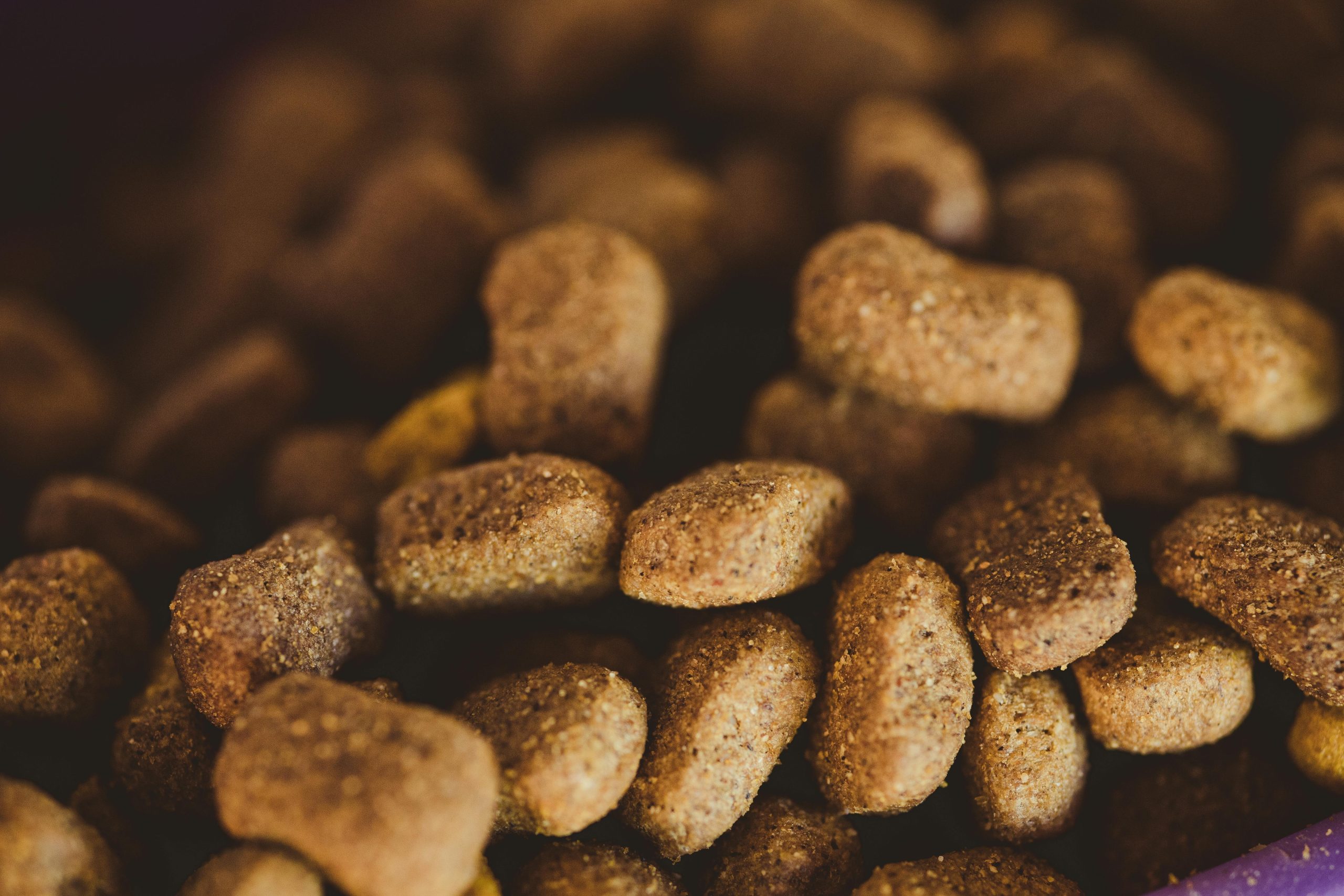
The Ultimate Puppy Nutrition Guide: Feeding Your Furry Friend the Right Way
Introduction
Welcoming a new puppy into your home is an exciting time, but it also comes with a lot of responsibility. One of the most important aspects of caring for your puppy is ensuring they are eating a balanced and nutritious diet. Proper nutrition is essential for your puppy’s growth, development, and overall health. In this ultimate puppy nutrition guide, we will cover everything you need to know about feeding your furry friend the right way.
Understanding Your Puppy’s Nutritional Needs
Puppies have different nutritional needs than adult dogs. They are growing rapidly and need a diet that supports their development. Your puppy’s diet should be rich in protein, fat, vitamins, and minerals to help them grow strong and healthy. Make sure to choose a high-quality puppy food that is specifically formulated for their age and size.
Protein
Protein is essential for your puppy’s growth and muscle development. Look for puppy foods that have a protein source as the first ingredient, such as chicken, beef, or fish. Avoid foods with fillers like corn or wheat, as these do not provide the necessary nutrition for your puppy.
Fat
Fat is a concentrated source of energy for your puppy. It also helps with the absorption of fat-soluble vitamins and provides essential fatty acids for healthy skin and coat. Make sure your puppy’s food has a moderate amount of fat, but not too much as it can lead to obesity.
Vitamins and Minerals
Vitamins and minerals are important for your puppy’s overall health and well-being. Look for puppy foods that are fortified with vitamins and minerals to ensure they are getting all the nutrients they need. Common vitamins and minerals to look for include vitamin A, vitamin D, calcium, and phosphorus.
Feeding Your Puppy
It is important to establish a feeding schedule for your puppy to help them regulate their digestion and prevent overeating. Puppies should be fed multiple times a day, depending on their age and size. Most puppies should be fed three to four times a day until they are around six months old, then you can switch to feeding them twice a day.
Make sure to measure out the correct portion sizes for your puppy based on their age, weight, and activity level. Overfeeding can lead to obesity, while underfeeding can cause stunted growth and nutritional deficiencies. Follow the guidelines on the puppy food package or consult with your veterinarian for recommendations.
Hydration
Water is just as important as food for your puppy’s health. Make sure your puppy has access to fresh, clean water at all times. Puppies can become dehydrated quickly, especially if they are active or it is hot outside. Keep an eye on your puppy’s water bowl and refill it regularly.
Treats
Treats can be a fun way to reward your puppy for good behavior, but they should not make up a significant portion of their diet. Choose healthy, low-calorie treats that are specifically made for puppies. Avoid giving your puppy human food or treats that are high in sugar or fat, as they can lead to weight gain and digestive issues.
Common Questions About Puppy Nutrition
Can I feed my puppy a homemade diet?
While some pet owners prefer to feed their puppies a homemade diet, it can be challenging to ensure they are getting all the necessary nutrients. If you choose to feed your puppy a homemade diet, make sure to consult with a veterinary nutritionist to develop a balanced and nutritionally complete meal plan.
When can I switch my puppy to adult dog food?
Puppies should be switched to adult dog food around one year of age, depending on their breed and size. Consult with your veterinarian for recommendations on when to make the switch. Gradually transition your puppy to adult dog food over the course of a week to prevent digestive upset.
What should I do if my puppy is a picky eater?
Some puppies can be picky eaters, but it is important to ensure they are eating a balanced diet. Try mixing in some wet food or adding a little bit of warm water to their dry food to make it more appealing. If your puppy continues to be a picky eater, consult with your veterinarian for advice.
Conclusion
Proper nutrition is key to ensuring your puppy grows up healthy and happy. By following the tips outlined in this ultimate puppy nutrition guide, you can provide your furry friend with the nutrients they need to thrive. Remember to consult with your veterinarian for personalized recommendations and advice on feeding your puppy. With the right diet and care, your puppy will grow up to be a healthy and vibrant adult dog.
References
1. American Kennel Club. “Feeding Your Puppy: What, When, How.” https://www.akc.org/expert-advice/nutrition/feeding-puppy-what-how-much-how-often/
2. PetMD. “The Best Puppy Food for Healthy Growth.” https://www.petmd.com/dog/puppycenter/nutrition/evr_dg_best_puppy_food