As pets grow older, their needs begin to change in ways that can be subtle at first but significant over time. Understanding how to improve senior pet health becomes essential if you want your companion to stay comfortable, active, and happy throughout their golden years. While aging is inevitable, the way your pet experiences it depends largely on the care, environment, and lifestyle you provide. With the right approach, you can help extend both the lifespan and quality of life of your furry friend.
Caring for an older pet often means paying closer attention to small details. For instance, slight changes in appetite, movement, or behavior can signal deeper health concerns. Therefore, staying observant allows you to respond early and effectively. In addition, creating a consistent routine helps reduce stress, which is especially important for aging animals. When you actively work to improve senior pet health, you are not just addressing problems—you are preventing them before they escalate.
Understanding The Aging Process In Pets
Aging in pets does not happen overnight. Instead, it occurs gradually, affecting different systems in the body at varying rates. Dogs and cats may experience slower metabolism, reduced mobility, and changes in sensory perception. Because of this, recognizing the early signs of aging can help you adjust care routines accordingly. For example, your pet may sleep more often or show less interest in vigorous play. While these changes are normal, they should still be monitored carefully.
Moreover, senior pets are more prone to chronic conditions such as arthritis, dental disease, and kidney issues. Consequently, regular veterinary visits become even more important as your pet ages. These checkups allow for early detection and better management of potential health problems. If your goal is to improve senior pet health, proactive care is far more effective than reactive treatment.
Nutrition That Supports Longevity
Diet plays a major role in maintaining health as pets age. Older pets often require fewer calories but more targeted nutrients to support joints, organs, and immune function. Therefore, switching to a senior-specific diet can make a noticeable difference. High-quality protein remains essential, but it should be balanced with easily digestible ingredients.
Additionally, incorporating supplements such as omega-3 fatty acids can help reduce inflammation and support joint health. Antioxidants are also beneficial, as they combat cellular damage and promote longevity. When you consistently improve senior pet health through proper nutrition, you are strengthening your pet’s ability to cope with age-related changes.
Hydration is another critical factor that is sometimes overlooked. Senior pets may not drink enough water, which can lead to kidney problems or dehydration. Encouraging regular water intake, or even adding moisture-rich foods, can help maintain proper hydration levels. Small dietary adjustments often have a significant long-term impact.
Exercise And Mobility Maintenance
Although older pets may not have the same energy levels as before, regular movement is still essential. Gentle exercise helps maintain muscle tone, supports joint flexibility, and improves circulation. Activities such as short walks or light play sessions can keep your pet engaged without causing strain. Therefore, adapting exercise routines to suit your pet’s abilities is key.
In addition, providing supportive bedding and non-slip surfaces can help prevent injuries. As mobility decreases, even simple movements like standing up or walking across the floor can become challenging. By making small changes in your home environment, you can significantly improve senior pet health and reduce the risk of accidents.
Physical therapy and low-impact exercises, such as swimming, may also benefit some pets. These activities allow movement without putting pressure on joints, which is especially helpful for pets with arthritis. Over time, consistent activity can slow the progression of mobility issues and enhance overall comfort.
Mental Stimulation And Emotional Well-Being
Mental health is just as important as physical health, especially for aging pets. Cognitive decline can occur as pets grow older, leading to confusion, anxiety, or changes in behavior. However, keeping your pet mentally engaged can help slow this process. Interactive toys, gentle training sessions, and social interaction all contribute to cognitive stimulation.
Furthermore, maintaining a predictable routine provides a sense of security. Senior pets often rely on familiarity, so sudden changes in environment or schedule can cause stress. When you actively work to improve senior pet health, emotional stability should always be part of the equation.
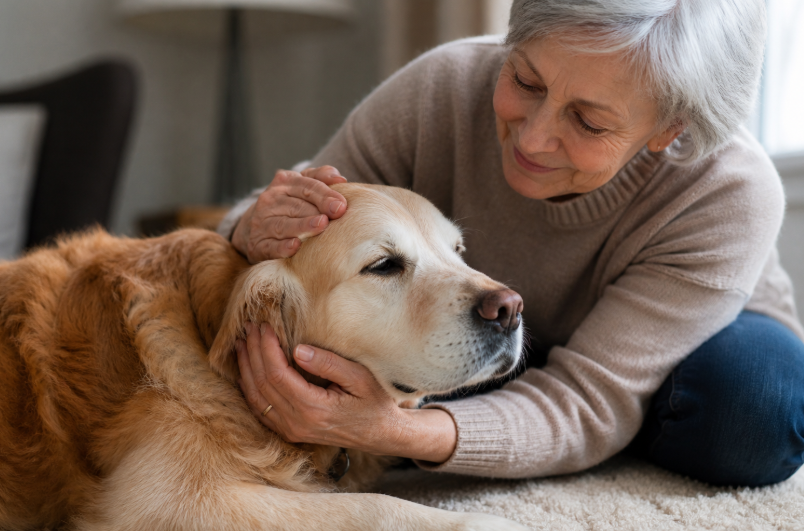
Spending quality time with your pet also strengthens your bond. Even simple activities like grooming or sitting together can provide comfort and reassurance. Emotional well-being plays a powerful role in overall health, and nurturing it can lead to a happier, more relaxed pet.
Preventive Veterinary Care
Routine veterinary care becomes increasingly important as pets age. Regular checkups allow veterinarians to monitor changes in weight, organ function, and overall health. Blood tests, dental exams, and screenings can detect issues early, making treatment more effective. Therefore, scheduling visits at least twice a year is often recommended for senior pets.
Vaccinations and parasite prevention should also continue, although they may be adjusted based on your pet’s age and health status. Preventive care ensures that your pet remains protected against common health risks. By prioritizing these visits, you can consistently improve senior pet health and address concerns before they become serious.
Open communication with your veterinarian is equally important. Discussing any behavioral or physical changes helps create a tailored care plan that meets your pet’s specific needs. This collaborative approach leads to better outcomes and a higher quality of life.
Managing Chronic Conditions
Many senior pets develop chronic conditions that require ongoing management. While these conditions may not be curable, they can often be controlled effectively. For instance, arthritis can be managed with medication, supplements, and lifestyle adjustments. Similarly, kidney disease may require dietary changes and regular monitoring.
Consistency is key when managing chronic conditions. Administering medication on schedule and following your veterinarian’s recommendations ensures the best possible results. Although it may require extra effort, taking these steps will improve senior pet health and help your pet remain comfortable.
In addition, monitoring your pet’s response to treatment allows you to make necessary adjustments. Every pet is different, so finding the right balance may take time. Patience and dedication go a long way in maintaining stability and well-being.
Creating A Comfortable Living Environment
A senior pet’s environment should support their changing needs. Simple modifications can make a big difference in daily comfort. For example, placing food and water bowls at an accessible height can reduce strain on joints. Similarly, adding ramps or steps helps pets reach their favorite spots without jumping.
Temperature control is another important consideration. Older pets may be more sensitive to cold or heat, so maintaining a comfortable indoor climate is essential. Soft bedding and quiet resting areas also contribute to a sense of security and relaxation.
When you create a supportive environment, you naturally improve senior pet health by reducing physical stress and promoting ease of movement. These changes may seem small, but they have a lasting impact on your pet’s quality of life.
Dental Care And Hygiene
Dental health is often overlooked, yet it plays a crucial role in overall well-being. Gum disease and tooth decay can lead to pain, infection, and even systemic health issues. Therefore, maintaining oral hygiene is essential for senior pets.
Regular brushing, dental treats, and professional cleanings can help prevent dental problems. In addition, monitoring for signs such as bad breath or difficulty eating allows for early intervention. When you prioritize dental care, you are taking another important step to improve senior pet health.
Good hygiene extends beyond dental care. Grooming, nail trimming, and ear cleaning all contribute to comfort and health. Keeping your pet clean and well-maintained reduces the risk of infections and enhances overall well-being.
Weight Management And Monitoring
Maintaining a healthy weight is critical for aging pets. Excess weight places additional strain on joints and organs, increasing the risk of health complications. On the other hand, unexplained weight loss can indicate underlying issues that require attention.
Regularly monitoring your pet’s weight helps you stay on track. Adjusting portion sizes and activity levels ensures that your pet maintains an optimal body condition. When you focus on weight management, you actively improve senior pet health and support long-term vitality.
In addition, using a body condition scoring system can help you assess whether your pet is underweight, overweight, or at an ideal weight. This approach provides a clearer picture and allows for more precise adjustments.
The Role Of Love And Consistency
While medical care and nutrition are essential, the emotional aspect of caregiving should never be underestimated. Senior pets thrive on consistency, affection, and reassurance. Maintaining a stable routine helps reduce anxiety and creates a sense of familiarity.
Spending time with your pet, offering gentle affection, and responding to their needs builds trust and comfort. These simple acts of care contribute significantly to overall well-being. When you consistently improve senior pet health through both physical and emotional support, you create an environment where your pet can truly thrive.
Conclusion
Caring for an aging pet requires patience, awareness, and a proactive mindset. By focusing on nutrition, exercise, preventive care, and emotional well-being, you can greatly enhance your pet’s quality of life. Each small effort adds up, creating a supportive environment that promotes comfort and longevity. When you commit to improving senior pet health, you are giving your companion the best possible chance to enjoy their later years with dignity and happiness.
FAQ
- How can I support my pet’s aging joints naturally?
Providing a balanced diet, supplements like omega-3s, and gentle exercise can help maintain joint health and reduce stiffness. - How often should older pets visit the vet?
Senior pets should ideally have checkups every six months to monitor health changes and detect issues early. - What signs indicate my pet is aging faster than expected?
Look for sudden weight changes, reduced mobility, confusion, or loss of appetite, as these may signal underlying problems. - Is it safe to change a senior pet’s diet?
Yes, but changes should be gradual and guided by a veterinarian to ensure proper nutrition and digestion. - How can I keep my older pet mentally active?
Interactive toys, routine engagement, and social interaction help maintain cognitive function and reduce anxiety.