Keeping your pet in good shape is one of the most effective ways to support long-term health, yet many owners overlook how critical it is to maintain pet healthy weight throughout every stage of life. Excess weight may seem harmless at first, but it gradually places stress on joints, organs, and overall mobility. On the other hand, a balanced weight supports energy, comfort, and a longer, more active life.
When you actively work to maintain pet healthy weight, you are doing more than improving appearance. You are protecting your pet from common health risks such as diabetes, heart disease, and joint problems. With a few simple adjustments to daily habits, you can create a routine that supports lasting wellness without adding stress to your schedule.
Why Weight Management Matters More Than You Think
Weight affects nearly every aspect of your pet’s health, from mobility to internal function. Even a small increase in body fat can strain joints and reduce energy levels. Therefore, maintaining a stable weight is essential for both physical comfort and long-term vitality.
Overweight pets often experience reduced activity, which creates a cycle of weight gain and inactivity. As a result, health problems can develop more quickly. When you focus on ways to maintain pet healthy weight, you break this cycle and create a healthier pattern that supports movement and energy.
In addition, proper weight management helps improve quality of life. Pets that stay within a healthy range tend to move more easily, play more often, and show fewer signs of discomfort. This improvement is often noticeable within weeks of adopting better habits.
Understanding What A Healthy Weight Looks Like
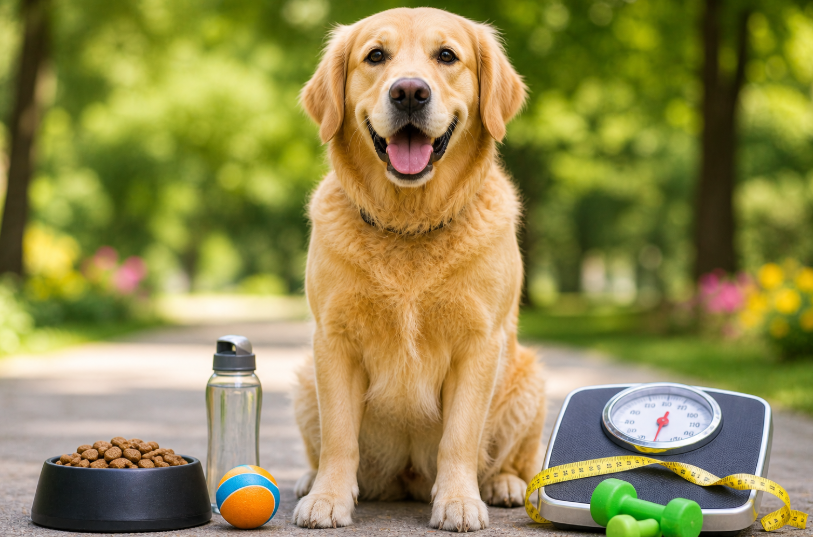
Recognizing a healthy weight is not always straightforward, especially since breeds vary widely in size and body structure. However, a few simple indicators can help guide you. You should be able to feel your pet’s ribs without pressing too hard, and there should be a visible waist when viewed from above.
Veterinarians often use body condition scoring to assess whether a pet is underweight, overweight, or ideal. This system provides a clear framework that helps you monitor changes over time. When you consistently check these signs, you can better maintain pet healthy weight without relying on guesswork.
Regular weigh-ins also help track progress. Even small fluctuations can signal changes in diet or activity that need adjustment. Staying aware allows you to act early and keep your pet on track.
Balanced Nutrition As The Foundation
Diet plays the most significant role in weight management. Feeding high-quality, balanced meals ensures that your pet receives the nutrients needed without excess calories. Therefore, portion control becomes essential when you aim to maintain pet healthy weight.
Avoid free-feeding whenever possible, as it can lead to overeating. Instead, establish scheduled meal times that create consistency. Measuring portions carefully prevents accidental overfeeding, which is a common cause of weight gain.
Treats should also be given in moderation. While they are useful for training and bonding, they can quickly add extra calories. Choosing healthier treat options or reducing portion sizes helps maintain balance. When you align diet with your pet’s needs, it becomes much easier to maintain pet healthy weight over time.
The Role Of Daily Activity And Exercise
Exercise is just as important as diet when managing weight. Regular movement helps burn calories, strengthen muscles, and improve overall health. However, the type and intensity of activity should match your pet’s age and physical condition.
Daily walks, play sessions, and interactive games provide both physical and mental stimulation. These activities keep your pet engaged while supporting weight control. When you consistently include exercise in your routine, you naturally maintain pet healthy weight without drastic changes.
It is also helpful to vary activities to prevent boredom. Rotating toys or introducing new games can keep your pet interested and active. Over time, this variety supports a more sustainable and enjoyable routine.
Avoiding Common Feeding Mistakes
Many pet owners unintentionally contribute to weight gain through small habits. For example, offering table scraps or frequent snacks can quickly increase calorie intake. Although these gestures come from a place of love, they can lead to long-term health issues.
Another common mistake is ignoring portion guidelines. Feeding based on guesswork rather than measurement often results in overfeeding. To maintain pet healthy weight, it is important to follow recommended portions and adjust them as needed.
Additionally, some pets may beg for food even when they are not hungry. Learning to distinguish between hunger and habit helps prevent unnecessary feeding. Consistency and awareness are key to avoiding these pitfalls.
Adjusting Care As Your Pet Ages
As pets grow older, their metabolism and activity levels change. Therefore, their dietary and exercise needs must be adjusted accordingly. Senior pets often require fewer calories but still need nutrient-rich meals.
At the same time, exercise should remain part of their routine, although it may need to be gentler. Short walks or light play sessions can help maintain mobility without causing strain. When you adapt your approach, you continue to maintain pet healthy weight even as your pet ages.
Regular veterinary checkups become even more important during this stage. Monitoring weight and overall health ensures that any changes are addressed promptly. This proactive care supports long-term wellness.
The Impact Of Weight On Longevity
Maintaining a healthy weight has a direct impact on lifespan. Studies have shown that pets with balanced weight often live longer than those who are overweight. This difference highlights the importance of consistent care.
Excess weight places strain on vital organs, increasing the risk of chronic conditions. In contrast, pets at a healthy weight experience fewer complications and recover more quickly from illness. When you commit to maintain pet healthy weight, you are actively extending your pet’s life.
In addition, maintaining a healthy weight improves quality of life. Pets are more energetic, playful, and comfortable, allowing them to enjoy daily activities to the fullest.
Creating A Sustainable Routine
Sustainability is the key to long-term success. Instead of making drastic changes, focus on small, consistent adjustments that fit into your daily routine. This approach reduces stress and makes it easier to stay committed.
Planning meals, scheduling exercise, and tracking progress all contribute to a structured system. When these habits become part of your routine, it becomes easier to maintain pet healthy weight without constant effort.
Involving family members can also help. Sharing responsibilities ensures consistency and makes the process more manageable. Teamwork creates a supportive environment where your pet’s needs are always met.
Monitoring Progress Without Stress
Tracking your pet’s progress does not have to be complicated. Simple observations, such as energy levels and body shape, can provide valuable insights. Regular weigh-ins add another layer of awareness.
If changes occur, adjust diet or activity gradually rather than making sudden shifts. This steady approach helps maintain balance and avoids unnecessary stress. When you stay patient and consistent, you can maintain pet healthy weight effectively.
It is also important to celebrate small improvements. Positive changes, even if gradual, indicate that your efforts are working. This encouragement helps you stay motivated over time.
Conclusion
Maintaining a healthy weight is one of the most powerful ways to support your pet’s long-term health and happiness. By focusing on balanced nutrition, regular exercise, and consistent routines, you can create a lifestyle that promotes vitality and comfort.
When you make the effort to maintain pet healthy weight, you are investing in your pet’s future. Each small step contributes to a longer, more active life filled with energy and joy. With patience and consistency, you can ensure that your pet thrives at every stage of life.
FAQ
- How can I tell if my pet is overweight?
Look for difficulty feeling ribs, lack of a visible waist, and reduced activity levels as common signs. - How often should I feed my pet?
Most pets benefit from two scheduled meals per day, depending on age and dietary needs. - Can treats affect my pet’s weight?
Yes, frequent treats can add extra calories, so moderation is important for maintaining balance. - What type of exercise is best for pets?
Daily walks, play sessions, and interactive games help keep pets active and support overall health. - Should I consult a vet about weight management?
Yes, a veterinarian can provide personalized guidance to ensure your pet stays healthy and balanced.