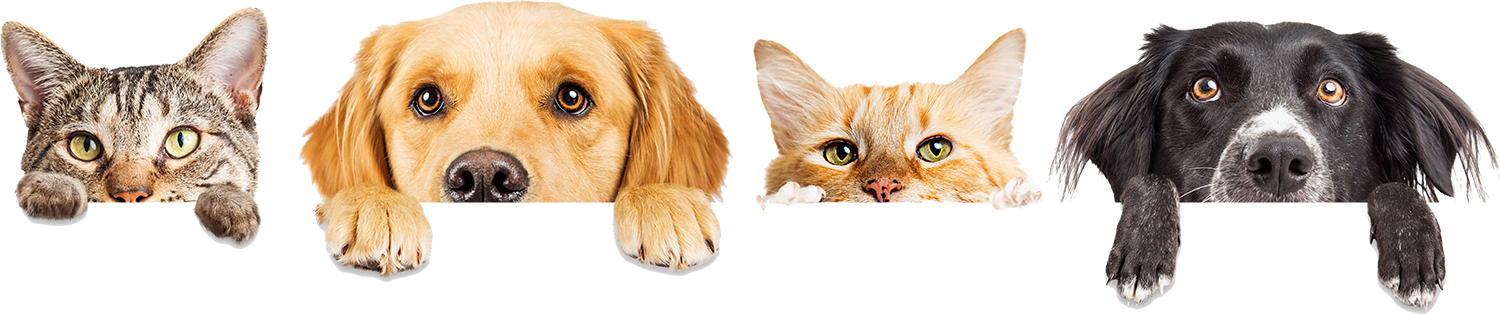

Improving pet skin and coat health is one of the easiest ways to support your pet’s overall well-being. While a shiny coat often looks appealing, it also signals that your pet is healthy from the inside out. Many common issues, such as dryness, itching, or dull fur, can indicate deeper imbalances. Therefore, focusing on daily care, nutrition, and simple habits can make a noticeable difference in how your pet looks and feels.
A healthy coat is not just about appearance. It acts as a protective layer, helping regulate temperature and shield the body from external irritants. At the same time, healthy skin supports comfort and prevents infections. When pet skin and coat care becomes part of your routine, your pet benefits in both visible and hidden ways.
Why Skin And Coat Reflect Overall Health
Understanding the connection between pet skin and coat health and overall wellness helps you approach care more effectively. The skin is the largest organ in your pet’s body, and it responds quickly to changes in diet, environment, and stress.
When your pet receives proper nutrition and care, their coat appears smooth and vibrant. However, when something is off, the coat often becomes dull or patchy. This makes it an early indicator of underlying issues.
Additionally, skin health affects comfort. Irritation or dryness can lead to scratching, which may cause further problems. Therefore, maintaining balance supports both health and behavior.
Nutrition As The Foundation Of A Healthy Coat
Diet plays a major role in maintaining pet skin and coat health. The nutrients your pet consumes directly influence the strength and appearance of their fur. Therefore, choosing balanced, high-quality food is essential.
Healthy fats are particularly important. They support moisture and elasticity in the skin, which helps prevent dryness. Additionally, proteins contribute to strong, healthy hair growth.
Consistency in feeding also matters. Sudden changes can disrupt balance and affect digestion, which in turn impacts the skin. By maintaining a stable diet, you support long-term results.
Hydration is another key factor. Water helps maintain skin elasticity and supports overall function. Ensuring your pet drinks enough each day contributes to a healthier coat.
Daily Grooming For Better Results
Regular grooming is a simple yet powerful way to improve pet skin and coat health. Brushing removes dirt, loose hair, and debris that can irritate the skin. It also helps distribute natural oils, which keep the coat shiny.
The frequency of grooming depends on your pet’s breed and coat type. However, even short sessions can make a difference. Over time, consistent grooming reduces shedding and improves texture.
Bathing should be done carefully. While it helps keep the coat clean, overbathing can strip natural oils. Using gentle products and appropriate timing ensures that grooming supports rather than harms the skin.
Recognizing Early Signs Of Skin Issues
Being able to spot early signs is essential for maintaining pet skin and coat health. Common indicators include excessive scratching, redness, or flaky skin. Changes in coat texture or increased shedding may also signal problems.
Observing your pet daily helps you notice these signs quickly. Early action often prevents minor issues from becoming serious. For example, addressing dryness early can avoid more severe irritation.
Consistency in observation also helps you understand what is normal for your pet. This makes it easier to identify unusual changes and respond appropriately.
The Role Of Environment And Cleanliness
Your pet’s environment has a direct impact on pet skin and coat health. Dust, allergens, and dirt can irritate the skin and affect coat quality. Therefore, maintaining a clean living space is important.
Regular cleaning of bedding and toys helps reduce exposure to irritants. Additionally, keeping your pet’s resting area dry and comfortable supports better skin condition.
Outdoor factors also matter. Exposure to harsh weather or rough surfaces can affect the coat. Providing protection when needed helps maintain balance and comfort.
Reducing Stress For Healthier Skin
Stress can influence pet skin and coat health more than many owners realize. When pets feel anxious, their bodies may react in ways that affect the skin. This can lead to itching or changes in coat quality.
Creating a calm and predictable routine helps reduce stress. Regular feeding times, exercise, and rest contribute to a stable environment. As a result, your pet feels more relaxed.
Interactive play and attention also play a role. These activities provide mental stimulation and strengthen your bond. Over time, reduced stress supports healthier skin and coat conditions.
Using Supplements Wisely
In some cases, supplements can support pet skin and coat health. Products designed for skin support often include beneficial nutrients that promote moisture and strength.
However, supplements should complement a balanced diet rather than replace it. Choosing high-quality options ensures that your pet receives safe and effective support.
Introducing supplements gradually allows you to monitor your pet’s response. This helps you determine whether they are beneficial and adjust as needed.
Avoiding Common Skin And Coat Mistakes
Certain habits can negatively affect pet skin and coat health. Overgrooming, for example, can irritate the skin and remove essential oils. Similarly, using harsh products may cause dryness or sensitivity.
Feeding low-quality food can also lead to poor coat condition. Without proper nutrients, the skin cannot maintain its natural balance. Therefore, avoiding these mistakes is crucial.
Ignoring early signs is another common issue. Small problems can quickly become larger concerns if left untreated. Staying attentive helps you prevent unnecessary complications.
Building A Consistent Care Routine
Consistency is key when improving pet skin and coat health. A simple daily routine can include brushing, checking for signs of irritation, and ensuring proper nutrition.
Weekly or occasional tasks, such as bathing and deeper grooming, can be added as needed. This structured approach keeps care manageable and effective.
Over time, these habits become part of your routine. This makes it easier to maintain results and support long-term health.
Long-Term Benefits Of Proper Care
When you prioritize pet skin and coat health, the long-term benefits become clear. A healthy coat reflects proper nutrition and care, while healthy skin supports comfort and protection.
Pets with good skin condition are less likely to experience irritation or infections. This reduces the need for treatments and improves overall quality of life.
Additionally, consistent care strengthens your bond with your pet. Grooming and attention create positive interactions that build trust and connection.
Conclusion
Improving pet skin and coat health is a practical and effective way to support your pet’s overall well-being. By focusing on nutrition, grooming, and consistency, you create a routine that delivers lasting results. While the process does not require complex steps, attention to detail makes a significant difference.
Over time, these efforts lead to a healthier, more comfortable pet. A shiny coat and healthy skin are not just signs of beauty—they reflect the care and balance you provide every day.
FAQ
- How often should I groom my pet for better coat health?
Regular grooming depends on coat type, but consistent brushing is beneficial for most pets. - What causes dry or itchy skin in pets?
Common causes include poor diet, environmental factors, or lack of proper grooming. - Can diet really affect coat appearance?
Yes, balanced nutrition plays a major role in maintaining healthy skin and fur. - Are supplements necessary for coat improvement?
They can help in some cases but should support a balanced diet, not replace it. - How long does it take to see improvements in coat condition?
With consistent care, noticeable changes often appear within a few weeks.