
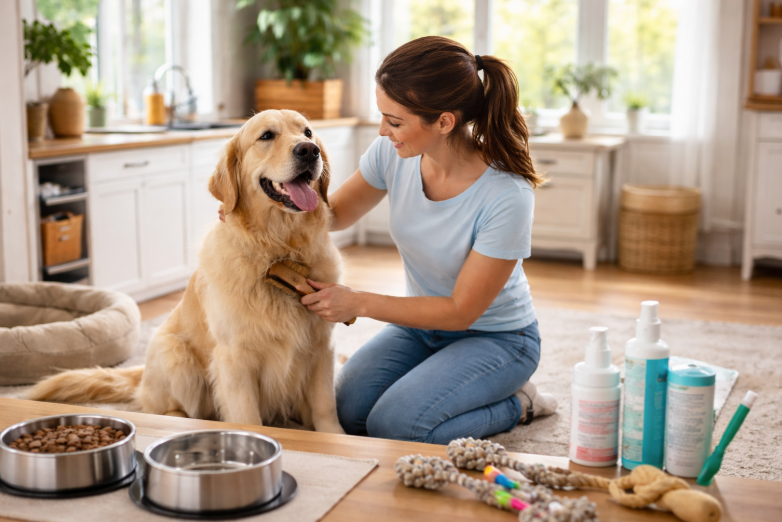
A well-planned daily pet care routine does more than keep your pet happy—it plays a direct role in reducing long-term veterinary expenses. While many pet owners focus on treatment after problems arise, prevention remains the most effective and affordable approach. By building simple habits into your day, you can avoid common health issues, detect problems early, and maintain your pet’s overall well-being without frequent trips to the clinic.
When you think about it, most expensive vet visits stem from preventable conditions. Dental disease, obesity, infections, and digestive issues often develop slowly over time. However, with a consistent daily pet care routine, these problems can be minimized or even avoided entirely. The key is consistency, attention to detail, and understanding what your pet needs on a daily basis.
Why A Daily Routine Matters More Than You Think
Many pet owners underestimate how small daily actions influence long-term health. Feeding, grooming, exercise, and observation might seem basic, yet they form the foundation of preventative care. A structured daily pet care routine allows you to monitor subtle changes in behavior or physical condition before they become serious issues.
For example, noticing a slight decrease in appetite or a change in energy levels early can prevent a costly emergency visit later. Likewise, regular grooming helps you detect skin issues, parasites, or injuries that might otherwise go unnoticed. Over time, these small checks add up to significant savings and a healthier pet.
Moreover, pets thrive on consistency. A predictable schedule reduces stress, improves behavior, and supports immune health. When stress is minimized, pets are less likely to develop stress-related illnesses, which often require medical attention.
Feeding Habits That Support Long-Term Health
Nutrition plays a critical role in any daily pet care routine, and it is one of the easiest ways to reduce vet costs. Feeding your pet high-quality, balanced meals helps prevent obesity, digestive problems, and nutrient deficiencies. While cheaper food may seem cost-effective initially, it often leads to health issues that result in expensive treatments.
Portion control is equally important. Overfeeding can quickly lead to weight gain, which increases the risk of joint problems, diabetes, and heart conditions. By sticking to proper portion sizes and feeding schedules, you maintain a healthy weight and reduce the likelihood of chronic illnesses.
In addition, fresh water should always be available. Hydration supports organ function, digestion, and energy levels. Checking your pet’s water intake daily can also help you detect early signs of illness, such as excessive thirst or reduced drinking.
Daily Exercise Keeps Vet Bills Down
Regular physical activity is another essential part of a daily pet care routine. Exercise helps maintain a healthy weight, strengthens muscles, and improves cardiovascular health. More importantly, it reduces the risk of obesity-related diseases that often require long-term medical care.
Dogs benefit from walks, playtime, and mental stimulation, while cats enjoy interactive toys and climbing opportunities. Even small pets like rabbits or birds need movement and enrichment to stay healthy. When pets are active, they are less likely to develop behavioral problems that might lead to injuries or stress-related conditions.
Furthermore, exercise supports mental health. A bored or anxious pet is more likely to engage in destructive behaviors, which can result in injuries or the need for professional intervention. By including daily activity in your daily pet care routine, you create a balanced lifestyle that promotes both physical and emotional well-being.
Grooming As A Preventative Health Tool
Grooming is often seen as a cosmetic task, but it is actually a powerful preventative measure. Regular brushing removes dirt, prevents matting, and improves skin health. More importantly, it allows you to check for lumps, bumps, or parasites.
Incorporating grooming into your daily pet care routine helps you catch issues early. For instance, detecting a small skin irritation before it becomes infected can save you from a costly vet visit. Similarly, keeping your pet’s coat clean reduces the risk of skin conditions that require medication.
Dental care is another overlooked aspect. Brushing your pet’s teeth regularly helps prevent plaque buildup, gum disease, and tooth loss. Since dental procedures can be expensive, maintaining oral hygiene at home significantly reduces long-term costs.
Monitoring Behavior And Health Daily
Observation is one of the simplest yet most effective ways to prevent health problems. A consistent daily pet care routine allows you to notice changes in appetite, energy levels, or behavior. These changes often signal underlying issues that can be addressed early.
For example, a sudden lack of interest in food might indicate digestive problems, while unusual lethargy could point to illness. By acting quickly, you can often resolve these issues before they require extensive treatment.
Additionally, checking your pet’s eyes, ears, and paws daily helps you spot signs of infection or injury. Clean ears reduce the risk of ear infections, while inspecting paws prevents complications from cuts or foreign objects.
Creating A Stress-Free Environment
A calm and stable environment plays a major role in your pet’s health. Stress can weaken the immune system, making pets more susceptible to illness. Therefore, a well-structured daily pet care routine should include time for relaxation and comfort.
Providing a safe space, maintaining a consistent schedule, and minimizing sudden changes all contribute to a stress-free environment. Pets that feel secure are less likely to develop anxiety-related conditions, which often require professional treatment.
Moreover, routine interaction and bonding time strengthen your relationship with your pet. This emotional connection improves behavior and makes it easier to notice when something is wrong.
Preventative Hygiene And Clean Living Spaces
Cleanliness is another critical factor in reducing vet costs. A hygienic living environment prevents the spread of bacteria, parasites, and allergens. Regularly cleaning bedding, litter boxes, and feeding areas should be part of your daily pet care routine.
For cats, a clean litter box helps prevent urinary issues and encourages proper habits. For dogs, keeping their living area clean reduces exposure to harmful bacteria. Small pets also benefit from clean cages and fresh bedding, which prevent respiratory and skin problems.
By maintaining a clean environment, you reduce the risk of infections and eliminate the need for unnecessary treatments.
Routine Health Checks At Home
Incorporating simple health checks into your daily pet care routine can make a significant difference. Feeling your pet’s body for unusual lumps, checking their gums for color changes, and observing their breathing patterns are all quick tasks that provide valuable insights.
These checks take only a few minutes but can save you from expensive diagnostic procedures later. Early detection allows for quicker and less costly treatment options, which benefits both your pet and your budget.
Consistency Is The Real Cost Saver
While individual tasks are important, consistency is what truly makes a daily pet care routine effective. Skipping days or being inconsistent reduces the benefits and increases the risk of health issues going unnoticed.
Creating a routine that fits your lifestyle ensures that you can maintain it long-term. Whether it’s feeding at the same time each day, scheduling regular walks, or setting aside time for grooming, consistency builds a strong foundation for your pet’s health.
Over time, these habits become second nature, making it easier to provide the care your pet needs without extra effort.
The Long-Term Financial Benefits
At first glance, investing time in a daily pet care routine may seem demanding. However, the long-term financial benefits are undeniable. Preventative care is always more affordable than treatment, and small daily actions can prevent major expenses.
By focusing on nutrition, exercise, grooming, and observation, you reduce the likelihood of chronic illnesses and emergencies. This proactive approach not only saves money but also improves your pet’s quality of life.
Ultimately, a daily pet care routine is not just about avoiding vet bills—it’s about creating a healthier, happier life for your pet. When your pet feels good, behaves well, and stays active, you both enjoy a more fulfilling relationship.
Conclusion
A thoughtful daily pet care routine is one of the most effective ways to cut vet costs without compromising your pet’s well-being. Through consistent feeding, regular exercise, proper grooming, and daily observation, you can prevent many common health issues before they require medical attention. Although it may take some effort to establish these habits, the rewards are significant. Not only do you save money, but you also give your pet the best chance at a long, healthy, and happy life.
FAQ
- What simple habits help reduce pet health expenses?
Daily feeding routines, regular exercise, grooming, and early observation all help prevent costly medical issues. - How often should I check my pet’s health at home?
Quick checks can be done daily, while more detailed checks can be done weekly to spot early warning signs. - Can better nutrition really lower vet visits?
Yes, balanced nutrition supports overall health and helps prevent many common illnesses and conditions. - Why is exercise important for preventing medical issues?
Regular activity helps maintain weight, reduces stress, and lowers the risk of chronic diseases. - How does grooming prevent health problems?
Grooming helps detect skin issues, parasites, and abnormalities early before they require treatment.