When it comes to your pet’s health, supplements can seem like a simple way to boost nutrition and support overall well-being. However, many products contain harmful pet supplement ingredients that are not always obvious at first glance. While labels may highlight benefits, they often hide components that could negatively affect your pet over time. Understanding what to look for helps you make safer, more informed choices and prevents unnecessary health risks.
The issue with harmful pet supplement ingredients is that they are often masked behind complex names or vague descriptions. As a result, even well-meaning pet owners may unknowingly give their pets something unsafe. Therefore, learning how to identify these ingredients is one of the most important steps in responsible pet care. With the right knowledge, you can confidently choose supplements that truly support your pet’s health.
Why Hidden Ingredients Are A Serious Concern
Many supplements are marketed as safe, yet harmful pet supplement ingredients can still appear in their formulations. This happens because regulations for pet supplements are often less strict than those for medications. As a result, companies may include fillers, preservatives, or additives that are not ideal for long-term use.
Additionally, these ingredients may not cause immediate symptoms. Instead, they can build up over time and lead to issues such as digestive problems, allergies, or reduced organ function. Because the effects are gradual, it becomes harder to trace the problem back to the supplement.
Moreover, some ingredients are included purely to reduce costs or improve shelf life. While they may benefit the manufacturer, they do not necessarily benefit your pet. That is why recognizing harmful pet supplement ingredients is essential for protecting your pet’s health in the long run.
Common Additives That Raise Red Flags
One of the first things to examine when reviewing a supplement is the list of additives. Many harmful pet supplement ingredients fall into this category, especially artificial colors and preservatives. These substances are often used to make products look more appealing or last longer on store shelves.
Artificial dyes, for example, serve no nutritional purpose. In some cases, they may even trigger allergic reactions or sensitivities. Similarly, certain preservatives have been linked to long-term health concerns. While they may prevent spoilage, they do not contribute to your pet’s well-being.
Another concern is flavor enhancers. These are often added to improve taste, but they can mask low-quality ingredients. As a result, your pet may enjoy the supplement without receiving real benefits. By avoiding these additives, you reduce exposure to harmful pet supplement ingredients and focus on quality instead.
Understanding Misleading Label Terms
Labels can be confusing, especially when they use appealing but vague language. Terms like natural or premium do not always guarantee safety. In fact, harmful pet supplement ingredients can still be present in products that use these labels.
For instance, proprietary blends are a common issue. These blends combine multiple ingredients without specifying exact amounts. While this may protect a company’s formula, it also prevents you from knowing what your pet is consuming. This lack of transparency makes it difficult to assess safety.
Another misleading term is by-product. While not always harmful, it can indicate lower-quality sources of nutrients. Without clear information, it becomes challenging to determine whether the ingredient is beneficial or not. Therefore, a careful review of labels is crucial when identifying harmful pet supplement ingredients.
The Role Of Fillers And Low Quality Ingredients
Fillers are often used to bulk up supplements and reduce production costs. However, they can also be a source of harmful pet supplement ingredients. Common fillers include corn, soy, and wheat, which may not provide significant nutritional value.
In some pets, these ingredients can cause digestive issues or allergic reactions. While they may not affect every animal, their presence raises concerns about overall quality. High-quality supplements typically use ingredients that serve a clear purpose, rather than simply adding volume.
Low-quality protein sources are another issue. Instead of using whole, identifiable ingredients, some products rely on processed or vague sources. This can reduce the effectiveness of the supplement and introduce unnecessary risks. By choosing products with clear, high-quality ingredients, you avoid many harmful pet supplement ingredients.
How To Evaluate Ingredient Safety
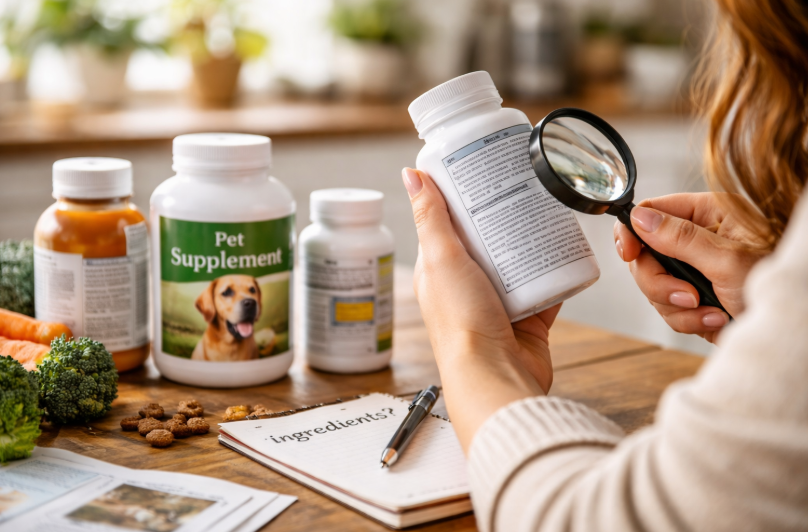
Evaluating a supplement requires more than a quick glance at the label. A thorough approach helps you identify harmful pet supplement ingredients and make better decisions. Start by researching unfamiliar ingredients. Reliable sources can provide information about their safety and purpose.
Next, look for transparency. Brands that clearly list all ingredients and their amounts are generally more trustworthy. This openness allows you to assess whether the product meets your standards.
It is also helpful to check for third-party testing. Independent verification ensures that the product matches its claims and does not contain harmful substances. While this step may take extra time, it significantly improves your confidence in the product.
By following these steps, you create a reliable process for avoiding harmful pet supplement ingredients and selecting safer alternatives.
Why Veterinary Guidance Matters
Even with careful research, professional advice remains important. Veterinarians can help you identify harmful pet supplement ingredients and recommend safer options based on your pet’s needs. Their expertise provides an added layer of protection.
In addition, vets understand how supplements interact with existing conditions or medications. This knowledge helps prevent complications and ensures that your pet receives appropriate care. Consulting a professional also reduces the risk of relying on incomplete or misleading information.
Regular check-ups provide opportunities to review your pet’s supplement routine. Over time, your pet’s needs may change, and adjustments may be necessary. By combining your own research with veterinary guidance, you create a balanced approach to avoiding harmful pet supplement ingredients.
Building A Safer Supplement Routine
Creating a safe routine involves more than choosing the right product. It also requires consistency and observation. After selecting a supplement, monitor your pet for any changes in behavior, appetite, or energy levels.
Introducing one supplement at a time can help you identify potential issues. If a problem arises, it becomes easier to determine the cause. This approach reduces risk and improves overall safety.
It is also important to avoid over-supplementation. Giving multiple products at once increases the chance of exposure to harmful pet supplement ingredients. Instead, focus on essential supplements that provide clear benefits.
By maintaining a simple and consistent routine, you minimize risks and support your pet’s health effectively.
Conclusion
Understanding harmful pet supplement ingredients is essential for making safe and informed choices. While supplements can offer benefits, they also carry risks if not carefully selected. By focusing on ingredient quality, transparency, and professional guidance, you can protect your pet from hidden dangers.
Ultimately, your goal is to support your pet’s health without unnecessary exposure to harmful substances. With the right approach, you can confidently navigate the supplement market and choose products that truly benefit your pet. This knowledge not only improves your pet’s well-being but also gives you peace of mind as a responsible owner.
FAQ
- What are the most common unsafe additives in pet supplements?
Artificial colors, preservatives, and unnecessary fillers are among the most common concerns. - How can I identify low-quality ingredients in supplements?
Look for vague terms, lack of transparency, and ingredients that do not provide clear benefits. - Are natural supplements always safe for pets?
Not always. Natural does not guarantee safety, so ingredient evaluation is still important. - Should I consult a vet before giving supplements?
Yes, professional guidance helps ensure the supplement is safe and suitable for your pet. - How can I reduce risks when using supplements?
Choose high-quality products, introduce them gradually, and monitor your pet’s response closely.