
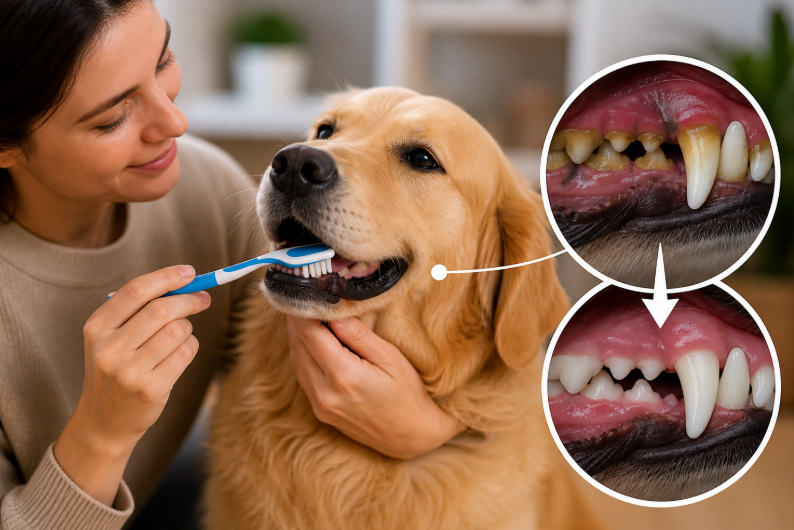
Keeping your pet healthy goes beyond food and exercise, and that’s where pet dental care tips become essential. Many pet owners overlook oral hygiene, yet dental problems are one of the most common reasons for expensive vet visits. When plaque builds up and gums become inflamed, small issues quickly turn into serious conditions. However, with the right habits and awareness, you can prevent these problems before they start and save both money and stress.
Good dental care doesn’t require complicated routines or costly tools. Instead, it relies on consistency, observation, and simple daily actions. Once you begin applying pet dental care tips regularly, you’ll notice improvements not only in your pet’s mouth but also in their overall health. After all, oral health is closely connected to digestion, energy levels, and even heart function. Therefore, maintaining clean teeth and healthy gums is one of the smartest ways to reduce long-term veterinary costs.
Why Oral Health Impacts Overall Wellness
Many people assume that dental care is only about fresh breath, but the reality is far more important. Poor oral hygiene can lead to infections that spread beyond the mouth. Bacteria from gum disease can enter the bloodstream, affecting organs such as the heart and kidneys. Because of this, ignoring dental care often leads to complex and costly treatments.
When you follow pet dental care tips consistently, you reduce the risk of these complications. Clean teeth and healthy gums act as a barrier against harmful bacteria. As a result, your pet’s body doesn’t have to fight unnecessary infections, which keeps them stronger and more resilient.
Additionally, dental pain often goes unnoticed. Pets rarely show obvious signs, so issues can develop silently. By prioritizing oral care, you prevent discomfort that could affect eating habits and behavior. This proactive approach helps your pet stay active and comfortable.
Start With a Simple Brushing Routine
One of the most effective pet dental care tips is brushing your pet’s teeth regularly. Although it may seem challenging at first, it becomes easier with practice and patience. Using a pet-safe toothbrush and toothpaste, you can remove plaque before it hardens into tartar.
Begin slowly by allowing your pet to get used to the taste and sensation. Gradual introduction reduces stress and builds trust. Over time, brushing becomes part of your routine rather than a struggle. Consistency is key, even if you start with just a few times a week.
Brushing not only cleans the teeth but also allows you to check for signs of problems. You can look for redness, swelling, or unusual buildup. Early detection helps prevent more serious issues, which aligns perfectly with the goal of pet dental care tips.
Use Dental Chews and Toys Wisely
While brushing is important, it is not the only tool available. Dental chews and toys provide additional support by helping reduce plaque naturally. These products encourage chewing, which can clean teeth and stimulate gums.
However, not all options are equally effective. Choose products designed specifically for dental health rather than generic treats. Quality matters, as some cheaper options may not provide real benefits. When used correctly, these tools complement your routine and reinforce pet dental care tips.
It’s also important to monitor your pet while they chew. This ensures safety and prevents choking hazards. With proper use, dental chews become a simple and enjoyable way to support oral health.
Pay Attention to Diet and Nutrition
Diet plays a significant role in dental health, making it a key part of pet dental care tips. Certain foods contribute to plaque buildup, while others help maintain cleaner teeth. Dry kibble, for example, can have a mild abrasive effect that reduces buildup compared to softer foods.
That said, quality remains more important than texture alone. A balanced diet supports overall health, which indirectly benefits the mouth. Strong immunity helps your pet resist infections and maintain healthier gums.
Avoid feeding excessive table scraps, especially sugary or sticky foods. These can cling to teeth and accelerate plaque formation. By making thoughtful dietary choices, you support long-term oral health and reduce the need for expensive treatments.
Schedule Regular Dental Checkups
Even with excellent home care, professional checkups are still necessary. One of the most practical pet dental care tips is scheduling routine dental exams with your veterinarian. These visits allow for a deeper assessment and early detection of hidden issues.
Veterinarians can identify problems that are not visible during daily care. They may recommend professional cleanings if needed, which remove tartar that brushing cannot address. While these procedures have a cost, they are far less expensive than treating advanced dental disease.
Regular checkups also provide guidance tailored to your pet. Each animal has unique needs based on age, breed, and health status. By combining professional care with daily routines, you create a comprehensive approach to dental health.
Recognize Early Warning Signs
Being aware of early symptoms is another essential part of pet dental care tips. Signs such as bad breath, drooling, or difficulty eating often indicate underlying issues. Although these symptoms may seem minor, they should not be ignored.
Changes in behavior can also signal discomfort. A pet that avoids chewing or becomes less active may be experiencing dental pain. Observing these changes allows you to act quickly and prevent further complications.
In addition, checking your pet’s mouth regularly helps you stay informed. Look for discoloration, swelling, or unusual growths. Early intervention is always more effective and less costly than delayed treatment.
Create a Consistent Care Routine
Consistency is the foundation of all pet dental care tips. While individual actions matter, their impact depends on how regularly they are performed. Establishing a routine ensures that your pet receives continuous care without gaps.
Daily habits such as brushing, providing dental chews, and monitoring behavior build a strong defense against dental problems. Over time, these actions become second nature. As a result, maintaining oral health becomes easier and more effective.
Routine also helps your pet feel more comfortable. Familiarity reduces stress, making dental care less of a challenge. This positive experience encourages cooperation and long-term success.
Avoid Common Mistakes in Dental Care
Many pet owners unintentionally make mistakes that compromise oral health. One common issue is using human toothpaste, which can be harmful to pets. Always choose products specifically designed for animals.
Another mistake is relying solely on treats or toys without brushing. While these tools help, they cannot replace direct cleaning. Combining multiple methods ensures better results.
Skipping dental care altogether is perhaps the biggest mistake. Waiting until problems appear often leads to higher costs and more complex treatments. By following pet dental care tips consistently, you avoid these pitfalls and protect your pet’s health.
Conclusion
Caring for your pet’s teeth is one of the most effective ways to prevent expensive vet visits. By following pet dental care tips, you take a proactive approach that supports both oral and overall health. Simple habits like brushing, choosing the right diet, and scheduling regular checkups can make a significant difference over time.
Rather than reacting to problems, focus on prevention and consistency. This approach not only reduces costs but also improves your pet’s quality of life. Healthy teeth and gums allow your pet to eat comfortably, stay active, and avoid unnecessary pain.
Ultimately, pet dental care tips empower you to maintain your pet’s health in a practical and sustainable way. With the right routine and attention, you can protect your pet from common dental issues and ensure they enjoy a happier, healthier life.
FAQ
1. How often should I brush my pet’s teeth?
Ideally, brushing several times a week helps prevent plaque buildup and keeps gums healthy.
2. Are dental chews enough for maintaining oral health?
They help, but they should be combined with brushing and regular checkups for best results.
3. What are the first signs of dental problems in pets?
Bad breath, drooling, and changes in eating habits are common early indicators.
4. Can diet affect my pet’s dental health?
Yes, balanced nutrition supports strong teeth and reduces plaque formation.
5. Do pets really need professional dental cleanings?
Yes, these cleanings remove tartar and detect issues that home care cannot address.