Pet grooming habits are more than just a way to keep your pet looking clean and well cared for. They play a direct role in preventing health problems that can lead to expensive vet visits. While many owners think of grooming as occasional maintenance, the truth is that consistent care can stop small issues before they become serious. By developing strong pet grooming habits, you create a routine that supports both comfort and long-term health.
At first, grooming may seem like a cosmetic task. However, it quickly becomes clear that it is closely linked to overall well-being. Regular brushing, cleaning, and inspection allow you to detect early signs of problems. As a result, you can act quickly and avoid more complicated treatments later. This is why building reliable pet grooming habits is one of the smartest ways to reduce both stress and costs.
Why Grooming Is A Preventative Health Tool
Grooming is often underestimated, yet it serves as a powerful preventative measure. When you maintain proper pet grooming habits, you reduce the risk of infections, parasites, and skin conditions. These issues, if left untreated, can develop into more serious health concerns.
For example, matted fur can trap moisture and bacteria, leading to skin irritation. Dirty ears may develop infections, while overgrown nails can affect movement and posture. Each of these problems starts small but can become expensive if ignored.
By staying consistent, you create an environment where problems are addressed early. This proactive approach makes pet grooming habits an essential part of daily care rather than an occasional task.
Brushing Regularly To Prevent Skin Issues
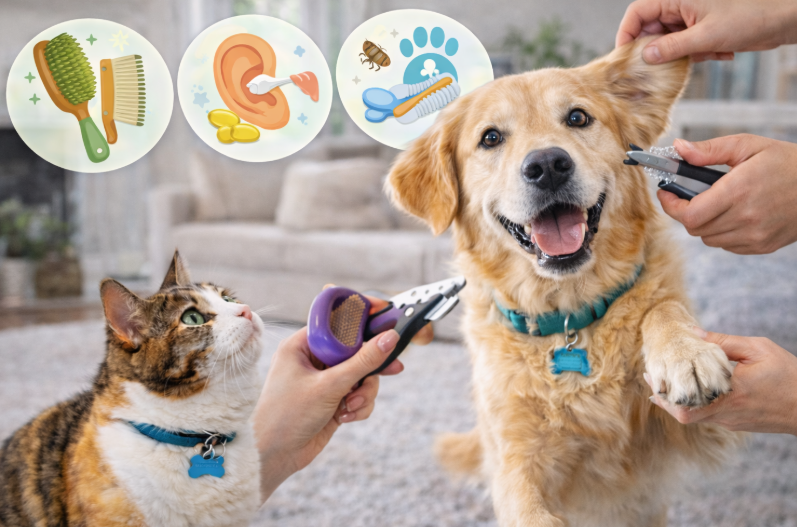
Brushing is one of the most important pet grooming habits you can develop. It removes dirt, loose fur, and debris while improving circulation. More importantly, it allows you to check your pet’s skin for any unusual signs.
During brushing, you may notice lumps, redness, or irritation. Detecting these early makes treatment easier and more affordable. In addition, regular brushing prevents tangles and matting, which can cause discomfort and skin problems.
Different pets require different brushing frequencies. Long-haired pets need more frequent attention, while short-haired pets still benefit from regular grooming. By adapting your routine, you ensure that your pet grooming habits remain effective.
Bathing Without Overdoing It
Bathing is another essential part of pet grooming habits, but it must be done correctly. Too much bathing can strip natural oils from the skin, leading to dryness and irritation. On the other hand, too little bathing can allow dirt and bacteria to build up.
Finding the right balance is key. Use gentle, pet-safe products and follow a schedule that suits your pet’s needs. Regular baths help maintain cleanliness while reducing the risk of skin infections.
In addition, bathing provides an opportunity to inspect your pet closely. You can check for parasites, wounds, or unusual changes. This makes it easier to address issues before they require professional care.
Keeping Ears Clean And Healthy
Ear care is often overlooked, yet it is a vital part of pet grooming habits. Dirty ears can lead to infections, which are both uncomfortable and costly to treat. Regular cleaning helps prevent buildup and keeps ears healthy.
Check your pet’s ears for redness, odor, or discharge. These signs may indicate a problem that needs attention. Cleaning should be gentle and done with appropriate products to avoid irritation.
By including ear care in your routine, you reduce the likelihood of infections. This simple habit can save both time and money while improving your pet’s comfort.
Nail Trimming For Mobility And Comfort
Nail care is another important aspect of pet grooming habits. Overgrown nails can cause pain and affect how your pet walks. This may lead to joint issues or injuries over time.
Regular trimming keeps nails at a healthy length and prevents these problems. While some pets naturally wear down their nails through activity, others require more frequent trimming.
In addition, nail trimming allows you to inspect paws for cuts or foreign objects. This helps you catch potential issues early and avoid complications.
Dental Hygiene As Part Of Grooming
Dental care is often not included in grooming routines, yet it should be. Poor oral hygiene can lead to gum disease, infections, and costly treatments. By adding dental care to your pet grooming habits, you protect your pet’s overall health.
Brushing your pet’s teeth helps prevent plaque buildup and maintains healthy gums. Dental chews and toys can also support oral hygiene between brushing sessions.
Consistent dental care reduces the need for professional cleanings and prevents serious health issues. This makes it a valuable addition to your routine.
Checking For Parasites And Skin Changes
Regular inspection is a key part of effective pet grooming habits. Fleas, ticks, and other parasites can cause discomfort and transmit diseases. By checking your pet frequently, you can detect these issues early.
Look for signs such as excessive scratching, redness, or small bumps. These may indicate the presence of parasites or skin conditions. Early detection allows for quick treatment and prevents further complications.
In addition, maintaining a clean environment helps reduce exposure to parasites. Combining this with regular checks creates a strong defense against common issues.
Creating A Routine That Works For You
Consistency is the foundation of successful pet grooming habits. A simple routine that fits your schedule is more effective than a complex plan you cannot maintain. Start with basic tasks and build gradually.
For example, set specific days for brushing, bathing, and nail trimming. Keep grooming tools easily accessible to make the process more convenient. Over time, these actions become part of your daily life.
A well-structured routine reduces stress and ensures that your pet receives consistent care. This approach leads to better results and fewer health concerns.
Avoiding Common Grooming Mistakes
Even with good intentions, mistakes can happen. One common issue is neglecting grooming until a problem appears. This reactive approach often leads to more serious conditions.
Another mistake is using inappropriate products. Human shampoos or harsh chemicals can irritate your pet’s skin. Always choose products designed specifically for pets.
Overlooking small changes is also a problem. Ignoring early signs of irritation or infection can lead to costly treatments. By staying attentive, you make your pet grooming habits more effective.
The Long-Term Benefits Of Consistent Grooming
Maintaining strong pet grooming habits provides lasting benefits. Your pet stays cleaner, more comfortable, and healthier. This reduces the likelihood of infections, injuries, and other issues.
In addition, consistent grooming strengthens your bond with your pet. Regular interaction builds trust and makes grooming sessions more enjoyable. This positive experience benefits both you and your pet.
Financially, preventative care reduces the need for expensive treatments. By addressing issues early, you avoid major health problems. This makes grooming an investment in your pet’s well-being.
Conclusion
Pet grooming habits are a simple yet powerful way to prevent health issues and avoid costly vet visits. By focusing on regular brushing, bathing, ear care, nail trimming, and inspection, you create a routine that supports long-term health. Consistency is key, and even small efforts can make a big difference. In the end, strong grooming habits not only keep your pet looking great but also ensure a healthier and more comfortable life.
FAQ
- How often should I groom my pet?
It depends on the breed and coat type, but regular weekly grooming is a good starting point. - Can grooming really reduce vet visits?
Yes, early detection of issues helps prevent more serious and costly health problems. - What tools do I need for basic grooming?
A brush, nail clipper, pet-safe shampoo, and ear cleaning solution are essential. - Is professional grooming necessary?
It can be helpful, but regular home care reduces how often it is needed. - What signs should I look for during grooming?
Check for redness, lumps, parasites, or changes in skin and coat condition.