
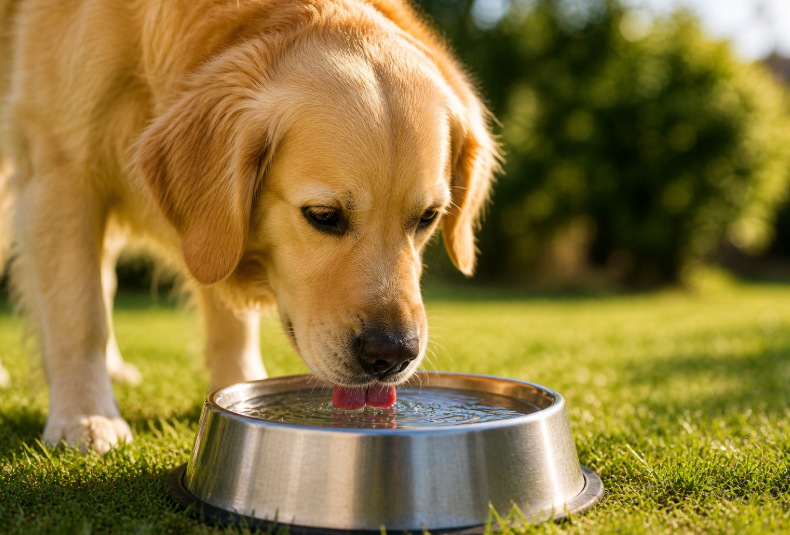
Understanding pet hydration importance is one of the simplest yet most powerful ways to support your pet’s long-term health. While food often gets the most attention, water plays an equally vital role in keeping your pet active, comfortable, and resilient. Without proper hydration, even the healthiest pets can experience fatigue, digestive issues, and reduced overall function. Therefore, ensuring your pet drinks enough water daily is not just a routine task but a critical part of their care.
Many pet owners overlook how hydration affects nearly every system in the body. From circulation to temperature control, water supports essential processes that keep your pet functioning properly. When hydration levels drop, these systems begin to struggle, which can lead to noticeable changes in behavior and health.
How Water Supports Every System
To fully appreciate pet hydration importance, it helps to understand how water works within your pet’s body. Water is involved in digestion, nutrient absorption, and waste removal. It also helps regulate body temperature, especially during warm weather or physical activity.
Additionally, proper hydration keeps joints lubricated and muscles functioning efficiently. This becomes even more important as pets age, since their bodies require more support to maintain mobility. Without enough water, stiffness and discomfort may increase over time.
Blood circulation also depends on adequate hydration. When your pet is well-hydrated, nutrients and oxygen move more efficiently throughout the body. As a result, organs perform better and energy levels remain stable.
Signs Your Pet May Be Dehydrated
Recognizing early warning signs is essential if you want to act on pet hydration importance effectively. Dehydration can develop quickly, especially in active pets or during hot conditions. Therefore, being aware of subtle changes can make a big difference.
Common signs include dry gums, reduced energy, and loss of appetite. In some cases, pets may pant excessively or show a lack of interest in normal activities. These signals often indicate that the body is not receiving enough fluids.
Another simple way to check hydration is by observing skin elasticity. Gently lifting the skin and watching how quickly it returns to normal can provide insight. If it takes longer than usual, your pet may need more water.
Why Hydration Affects Longevity
Pet hydration importance becomes even clearer when considering long-term health. Consistent hydration supports organ function and reduces the risk of chronic conditions. Over time, this can contribute to a longer, healthier life.
Kidneys, in particular, rely heavily on proper hydration. These organs filter waste and maintain balance within the body. When water intake is insufficient, the kidneys must work harder, which can lead to complications.
Hydration also supports heart health. Adequate fluid levels help maintain proper blood volume, reducing strain on the cardiovascular system. This allows the heart to function more efficiently over time.
Daily Habits That Make a Difference
Incorporating simple habits can greatly improve pet hydration importance in everyday life. Providing fresh, clean water at all times is the most basic step. However, there are additional ways to encourage better hydration.
For example, placing multiple water bowls around your home can make access easier. Some pets prefer running water, so a pet fountain may increase their interest in drinking. Additionally, adding moisture-rich foods to their diet can boost overall fluid intake.
Regular monitoring is also important. By observing how much your pet drinks each day, you can quickly identify any changes. This awareness allows you to respond early if something seems off.
Hydration and Physical Activity
Active pets have higher hydration needs, which highlights the ongoing pet hydration importance during exercise. Physical activity increases fluid loss through panting and movement. Therefore, providing water before, during, and after activity is essential.
Short breaks during playtime can help your pet stay hydrated without interrupting their enjoyment. Additionally, avoiding intense exercise during peak heat hours reduces the risk of dehydration.
After activity, watch for signs of fatigue or overheating. Offering water immediately helps restore balance and supports recovery. Over time, maintaining proper hydration during activity improves endurance and overall performance.
Special Considerations for Senior Pets
As pets age, their hydration needs often change. Older animals may not feel thirst as strongly, which can lead to reduced water intake. Therefore, understanding pet hydration importance becomes even more critical for senior pets.
Encouraging hydration may require small adjustments. Adding water to food or offering broth can make drinking more appealing. Additionally, ensuring easy access to water helps older pets stay consistent.
Senior pets are also more prone to conditions that affect hydration, such as kidney issues. Regular veterinary checkups can help monitor these risks and ensure your pet receives the support they need.
Environmental Factors That Influence Hydration
Environmental conditions play a significant role in pet hydration importance. Warm climates, indoor heating, and increased activity levels all affect how much water your pet needs.
During hot weather, pets lose fluids more quickly. Providing shade and cool resting areas can help reduce this loss. Similarly, during colder months, indoor heating can cause dryness, which increases the need for hydration.
Travel and changes in routine can also impact drinking habits. When pets are in unfamiliar environments, they may drink less. Being mindful of these situations helps you maintain consistent hydration.
Creating a Hydration-Friendly Routine
Building a routine around pet hydration importance ensures that your pet consistently receives enough fluids. This doesn’t need to be complicated. Instead, focus on small, repeatable actions that fit into your daily schedule.
Start by refreshing water bowls regularly. Clean containers encourage pets to drink more. Additionally, establishing set times for meals and hydration checks helps create consistency.
Tracking habits over time can reveal patterns. If your pet tends to drink less during certain periods, you can adjust accordingly. This proactive approach supports long-term health.
Long-Term Benefits of Proper Hydration
When you prioritize pet hydration importance, the long-term benefits become clear. Well-hydrated pets tend to have better energy levels, improved digestion, and stronger immune systems. These advantages contribute to a higher quality of life.
Hydration also supports skin and coat health. Pets that receive enough water often have shinier coats and healthier skin. This not only improves appearance but also indicates overall wellness.
Additionally, consistent hydration reduces the likelihood of urinary issues. By maintaining proper fluid balance, you help prevent discomfort and promote better function.
Conclusion
Recognizing pet hydration importance is one of the most effective ways to support your pet’s longevity. While it may seem simple, consistent hydration has a profound impact on health, energy, and overall well-being. By understanding your pet’s needs and creating a supportive routine, you can ensure they stay hydrated and comfortable.
Over time, these efforts lead to stronger bodies, better function, and a happier life for your pet. Ultimately, something as basic as water becomes a powerful tool in promoting long-term health and vitality.
FAQ
- How can I tell if my pet is drinking enough water?
Monitor daily intake and watch for normal energy levels, healthy gums, and consistent behavior. - What should I do if my pet refuses to drink?
Try offering fresh water, using a fountain, or adding moisture-rich foods to encourage intake. - Does diet affect hydration levels?
Yes, wet food and moisture-rich diets can help increase overall fluid intake. - How much water does a pet need daily?
Needs vary by size and activity, but a general guideline is about one ounce per pound of body weight. - Can dehydration lead to serious health issues?
Yes, prolonged dehydration can affect organs and lead to complications if not addressed quickly.