
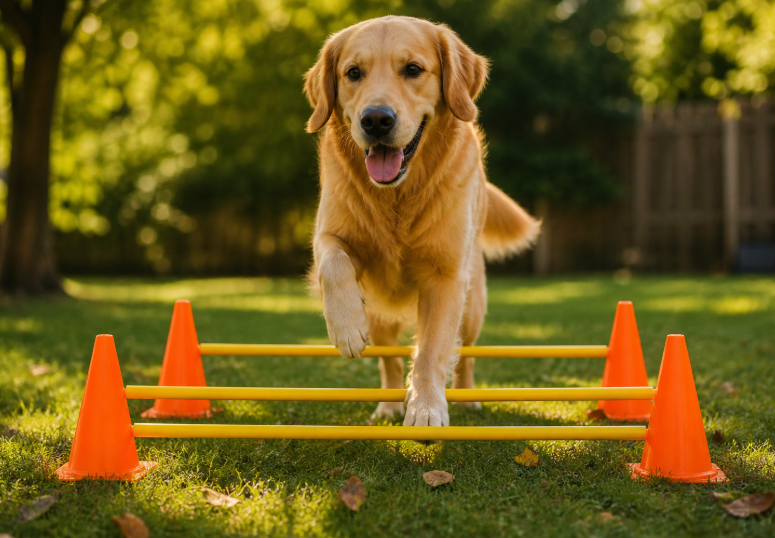
Keeping your pet active is one of the most effective ways to support long-term health, and pet mobility exercises play a vital role in that process. Whether your dog is aging, recovering from injury, or simply needs more movement, these exercises help improve flexibility, balance, and endurance. Over time, consistent activity not only strengthens muscles but also boosts stamina, allowing your pet to enjoy a more energetic and comfortable life.
Pets, just like humans, benefit from regular movement that challenges their bodies in a safe and controlled way. While daily walks are helpful, they often don’t provide enough variety to fully support joint health and muscle strength. That’s where targeted pet mobility exercises come in. These routines focus on improving how your pet moves, helping them maintain agility and preventing stiffness or injury.
Why Movement Matters for Pets
Before diving into specific techniques, it’s important to understand why movement matters so much. Pets rely heavily on their joints and muscles for everyday tasks like walking, climbing, and even resting comfortably. However, inactivity can quickly lead to stiffness, reduced range of motion, and decreased stamina.
Regular pet mobility exercises help counter these issues by keeping muscles engaged and joints flexible. As a result, your pet becomes more resilient and less prone to injury. Additionally, improved mobility often leads to better posture, which reduces strain on the body over time.
Another key benefit is mental stimulation. When pets engage in structured movement, they stay more alert and responsive. This combination of physical and mental activity creates a healthier, happier pet overall.
Understanding Your Pet’s Needs
Not all pets require the same type of activity. Younger animals often have more energy, while older pets may need gentler routines. Therefore, choosing the right pet mobility exercises depends on factors like age, breed, and current health.
For example, high-energy dogs may benefit from exercises that challenge coordination and endurance. On the other hand, senior pets often need slow, controlled movements that focus on flexibility and joint support. Paying attention to your pet’s behavior is essential. If they show signs of discomfort, it’s important to adjust the routine accordingly.
Consistency matters more than intensity. Even short sessions of pet mobility exercises can lead to noticeable improvements when done regularly. Over time, these small efforts build stronger muscles and better stamina.
Simple Exercises to Get Started
Introducing movement gradually is the best way to ensure your pet stays comfortable and engaged. One of the easiest ways to begin is through controlled walking. Instead of a casual stroll, guide your pet at a steady pace while encouraging proper posture. This subtle adjustment turns a regular walk into one of the most effective pet mobility exercises.
Another helpful activity is the sit-to-stand movement. Ask your pet to sit and then gently encourage them to stand. This repeated motion strengthens the legs and improves joint function. It’s simple, yet incredibly effective when practiced consistently.
You can also incorporate gentle stretching. Carefully guiding your pet’s limbs through a natural range of motion helps maintain flexibility. However, always move slowly and avoid forcing any position. Comfort should always come first.
Building Strength Through Movement
As your pet becomes more comfortable, you can introduce slightly more challenging routines. Strength-building pet mobility exercises are essential for improving endurance and supporting overall stability. These exercises target key muscle groups that help your pet move efficiently.
One effective method is incline walking. Walking your pet up a gentle slope engages the hind legs and core muscles. This not only builds strength but also improves balance. Similarly, stepping over low obstacles encourages coordination and increases awareness of movement.
Balance exercises are another great addition. For instance, having your pet stand on an uneven surface, such as a soft mat, activates stabilizing muscles. Over time, this improves posture and reduces the risk of falls or injuries.
Improving Stamina Over Time
Stamina is just as important as strength. Without it, even strong pets may tire quickly during activity. Fortunately, pet mobility exercises can be adjusted to gradually improve endurance.
Start by extending the duration of your pet’s activity in small increments. Instead of increasing intensity right away, focus on consistency. For example, adding a few extra minutes to each session allows your pet to adapt naturally.
Interval-style movement can also be beneficial. Alternate between periods of slow and moderate activity to build cardiovascular endurance. This approach keeps your pet engaged while improving their ability to sustain movement over time.
Hydration and rest are equally important. After completing pet mobility exercises, give your pet time to recover. Proper recovery ensures that muscles rebuild stronger and more resilient.
Adapting Exercises for Senior Pets
Older pets often require a more thoughtful approach. While they still benefit from movement, their bodies may not tolerate high-impact activities. Gentle pet mobility exercises can make a significant difference in maintaining comfort and independence.
Short, slow walks are ideal for seniors. These walks help keep joints lubricated without causing strain. Additionally, low-impact activities like controlled stepping or light stretching support flexibility.
Supportive equipment, such as harnesses or ramps, can also enhance these exercises. By reducing pressure on the joints, you allow your pet to move more freely and confidently. Over time, this improves both mobility and stamina.
Preventing Injury Through Proper Technique
Safety should always be a priority when performing pet mobility exercises. Improper technique or overexertion can lead to discomfort or injury. Therefore, it’s essential to monitor your pet closely during each session.
Start every routine with a warm-up. Gentle movement prepares the muscles and reduces the risk of strain. Similarly, ending with a cool-down helps your pet transition back to a resting state.
Pay attention to signs of fatigue, such as slowing down or reluctance to continue. If these signs appear, it’s best to stop and allow your pet to rest. Pushing too hard can do more harm than good.
Using proper surfaces is also important. Avoid slippery floors, as they can increase the risk of falls. Instead, choose stable and comfortable areas for your pet to move safely.
Creating a Consistent Routine
Consistency is the foundation of success when it comes to pet mobility exercises. A structured routine helps your pet adapt and build strength gradually. However, this doesn’t mean every session needs to be identical.
Variety keeps things interesting and prevents boredom. Rotate different exercises throughout the week while maintaining a steady schedule. This approach ensures balanced development across all muscle groups.
It’s also helpful to integrate these exercises into daily life. For example, turning playtime into an opportunity for movement makes the process more enjoyable. When pets associate activity with fun, they are more likely to stay engaged.
Tracking progress can provide motivation. Noticing improvements in your pet’s movement, energy levels, and stamina reinforces the value of these efforts.
The Long-Term Benefits of Staying Active
Over time, the impact of pet mobility exercises becomes more noticeable. Pets that stay active tend to maintain better joint health, stronger muscles, and improved endurance. These benefits contribute to a higher quality of life.
Active pets are also less likely to develop mobility-related issues. By keeping the body moving, you reduce the risk of stiffness and discomfort. Additionally, improved stamina allows pets to participate more fully in daily activities.
Perhaps most importantly, these exercises strengthen the bond between you and your pet. Spending time together in a structured yet enjoyable way builds trust and connection.
Conclusion
Incorporating pet mobility exercises into your pet’s routine is one of the best decisions you can make for their long-term health. These exercises not only improve strength and flexibility but also enhance stamina, allowing your pet to stay active and comfortable. While the process requires consistency and patience, the results are well worth the effort.
By starting with simple movements and gradually increasing intensity, you create a safe and effective routine tailored to your pet’s needs. Over time, these small steps lead to significant improvements in mobility and overall well-being. Ultimately, a more active pet is a happier and healthier companion.
FAQ
- What are the best ways to improve my pet’s flexibility?
Gentle stretching and controlled movement routines help improve flexibility while keeping joints healthy. - How often should I exercise my pet for better stamina?
Daily activity, even in short sessions, helps build endurance and maintain consistent energy levels. - Can older pets still benefit from regular movement?
Yes, low-impact routines support joint health and help senior pets stay comfortable and active. - What signs show my pet is improving physically?
Better balance, increased energy, and smoother movement often indicate progress. - Are structured routines better than free play?
A combination of both works best, as structured movement builds strength while play keeps your pet engaged.