
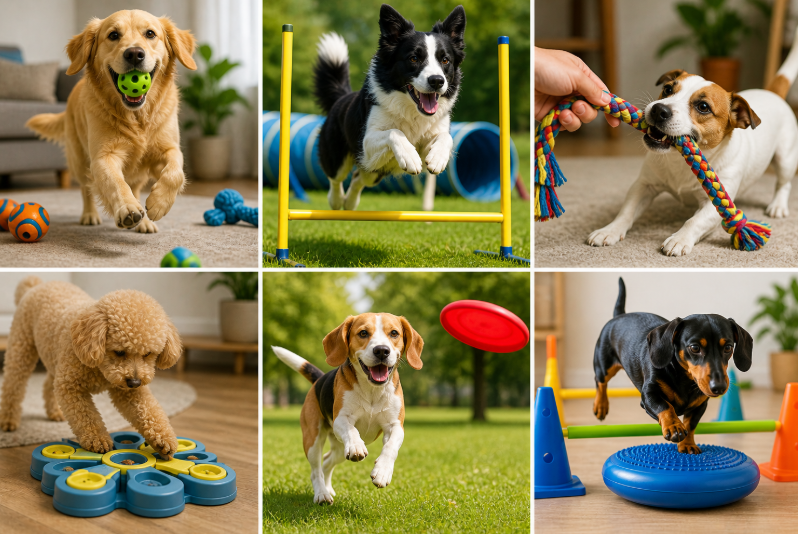
Keeping your pet active is essential for long-term health, and pet movement activities provide one of the easiest ways to support mobility, strength, and overall well-being. While feeding and routine care are important, movement plays a direct role in how your pet feels and functions each day. Without enough activity, pets may become sluggish, gain excess weight, or develop stiffness over time. Therefore, introducing the right combination of activities and toys can help maintain energy and improve quality of life.
Many pet owners assume that a simple walk is enough, but pets often need more variety to stay engaged. By incorporating different pet movement activities, you stimulate both the body and mind. This not only improves physical health but also keeps your pet excited and motivated throughout the day.
Why Movement Matters for Daily Health
Understanding why movement matters helps you appreciate the value of pet movement activities. Physical activity supports muscle strength, joint flexibility, and cardiovascular health. Additionally, it helps regulate weight and improves digestion.
Movement also affects behavior. Pets that stay active are less likely to develop boredom-related habits such as chewing or excessive barking. As a result, consistent activity leads to a calmer and more balanced pet.
Furthermore, regular exercise supports mental well-being. When pets engage in movement, they release energy in a healthy way. This reduces stress and creates a more relaxed environment at home.
Simple Activities That Keep Pets Moving
You do not need complex equipment to start incorporating pet movement activities. In fact, simple routines often work best. Daily walks remain one of the most effective ways to maintain consistent movement. However, varying the route or pace keeps things interesting.
Indoor play is also valuable, especially for pets that spend more time inside. Games like fetch or gentle chasing encourage movement without requiring much space. These activities are easy to adjust based on your pet’s energy level.
Short sessions spread throughout the day often produce better results than one long session. This approach keeps your pet engaged without causing fatigue. Over time, these small efforts build strength and endurance.
Using Toys to Encourage Activity
Toys play a major role in supporting pet movement activities. The right toys can turn exercise into something fun and engaging. Interactive toys, such as balls or tug ropes, encourage pets to move naturally.
For example, a simple ball can create endless opportunities for running and chasing. Similarly, tug toys promote strength and coordination. These tools make movement feel like play rather than exercise.
Rotating toys also helps maintain interest. When pets encounter something new or reintroduced, they become more curious and active. This prevents boredom and keeps activity levels consistent.
Building Strength Through Play
Play is one of the most effective ways to build strength through pet movement activities. Activities that involve jumping, climbing, or quick direction changes engage multiple muscle groups.
For instance, setting up a small obstacle course encourages coordination and balance. You can use household items to create safe challenges that stimulate movement. These exercises improve agility while keeping your pet entertained.
Controlled play sessions also help prevent injury. By guiding your pet’s movements, you ensure they stay within safe limits. This balance between fun and safety is key to long-term success.
Adapting Activities to Your Pet’s Needs
Every pet has unique needs, so pet movement activities should reflect their age, breed, and health condition. Younger pets often require more intense activity, while older pets benefit from gentler routines.
For senior pets, low-impact exercises such as slow walks or light play can maintain mobility without causing strain. On the other hand, high-energy pets may need more challenging activities to stay satisfied.
Observing your pet’s behavior helps guide your choices. If they seem tired or uninterested, adjust the intensity. Finding the right balance ensures that your pet stays comfortable and engaged.
Combining Mental and Physical Movement
The most effective pet movement activities often combine mental and physical stimulation. When pets think and move at the same time, they stay more engaged and satisfied.
For example, games that involve searching for toys or treats encourage both movement and problem-solving. This dual engagement helps prevent boredom and improves overall behavior.
Training sessions can also include movement-based tasks. Teaching your pet to follow commands while moving adds an extra layer of challenge. This keeps their mind active while supporting physical health.
Creating a Consistent Routine
Consistency is essential when it comes to pet movement activities. A regular schedule helps your pet develop healthy habits and maintain steady energy levels. However, consistency does not mean repetition.
Varying activities within a structured routine keeps things interesting. For example, you might alternate between walks, play sessions, and interactive games throughout the week. This variety ensures balanced development.
Timing also matters. Scheduling activities at the same time each day creates a sense of predictability. Pets respond well to routines, which makes it easier to maintain long-term consistency.
Avoiding Overexertion and Injury
While activity is important, it is equally important to avoid overexertion. Pet movement activities should challenge your pet without pushing them too far. Signs of fatigue, such as slowing down or heavy panting, indicate the need for rest.
Starting slowly and increasing intensity gradually helps prevent injury. This approach allows your pet’s body to adapt over time. Additionally, using safe surfaces reduces the risk of slips or strain.
Warm-up and cool-down periods can also be beneficial. Gentle movement before and after activity prepares the body and supports recovery. These small steps make a big difference in maintaining long-term health.
Long-Term Benefits of Staying Active
When you consistently incorporate pet movement activities, the long-term benefits become clear. Active pets tend to have stronger muscles, healthier joints, and better endurance. These advantages contribute to a higher quality of life.
Regular movement also helps prevent common health issues, such as obesity and joint stiffness. By staying active, pets maintain better overall function and mobility.
Additionally, consistent activity strengthens the bond between you and your pet. Shared experiences create trust and connection, which enhances your relationship.
Conclusion
Incorporating pet movement activities into your daily routine is one of the most effective ways to support your pet’s health and happiness. Through simple activities and engaging toys, you can improve mobility, build strength, and maintain consistent energy levels. While every pet is different, a balanced approach that combines variety, consistency, and safety ensures the best results.
Over time, these efforts lead to noticeable improvements in both physical and mental well-being. Ultimately, keeping your pet moving is not just about exercise—it is about creating a healthier, more fulfilling life together.
FAQ
- How often should pets engage in movement each day?
Daily activity is ideal, with sessions adjusted based on your pet’s age and energy level. - What are the best toys for active play?
Balls, tug ropes, and interactive toys work well for encouraging movement and engagement. - Can indoor pets stay active without outdoor space?
Yes, indoor games and interactive toys can provide enough movement when used consistently. - How do I know if my pet is getting enough exercise?
Look for steady energy levels, healthy weight, and relaxed behavior after activity. - Are certain activities better for older pets?
Low-impact exercises like gentle walks and light play are best for maintaining mobility safely.